
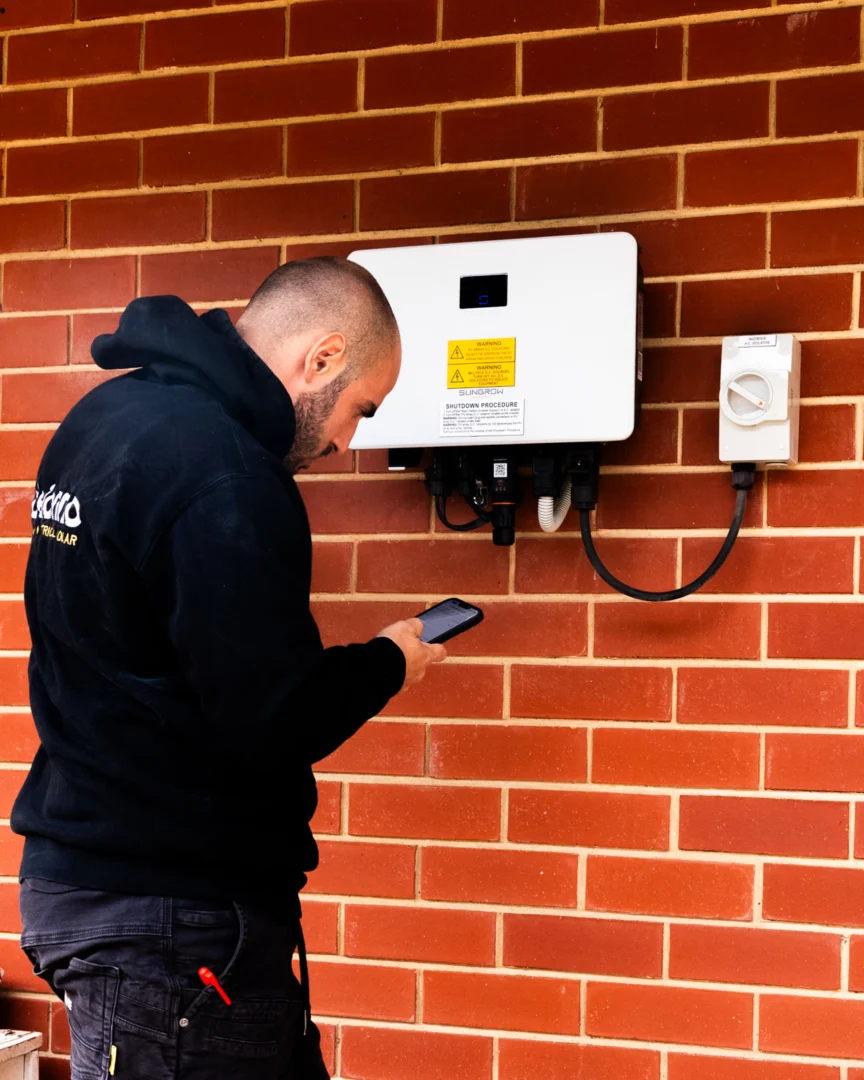
Solar Inverter Repairs and Replacement
Solar inverter repairs and replacement by our own licensed electricians in Adelaide and on the Sunshine Coast. Any brand, any installer, and a straight answer: fix it, claim it under warranty or replace it.
 4.9 Google 530+ reviews
 4.8 SolarQuotes
Solar inverter repairs start with one question: fix it, claim it or replace it?
When the inverter stops, the panels keep sitting in the sun and the house goes back to buying every unit from the grid. A dead inverter has only three possible endings, and a phone call to an electrician often narrows down which one is yours before anyone drives out.
We’ve been in business for more than ten years. Our own licensed electricians repair and replace inverters across Adelaide and on the Sunshine Coast, on any brand, whether we installed the system or not.
Inverter showing a code right now?
Write down the code and the brand, then call. An electrician will tell you whether it is a safe restart, a warranty claim, or a unit that has reached the end.
When to call about your solar inverter
Four moments to pick up the phone instead of buying power your panels should be making.
Swipe to see more
Can a solar inverter be repaired?
Sometimes. Every stopped inverter ends up on one of three routes, and the first job is working out which.
- A repair on site. Sometimes the cause sits outside the unit altogether: a DC isolator that has let water in, a failed connector, a grid voltage setting or a communications fault.
- A warranty exchange. The unit is still inside its maker’s warranty, so the maker repairs it or supplies another one.
- A full replacement. The part is no longer made, the maker has gone, or the fix would cost close to the price of a new inverter.
Most of the time, the answer is the second or the third. Ring us first and we’ll tell you on the phone what we think it is and what a visit costs.
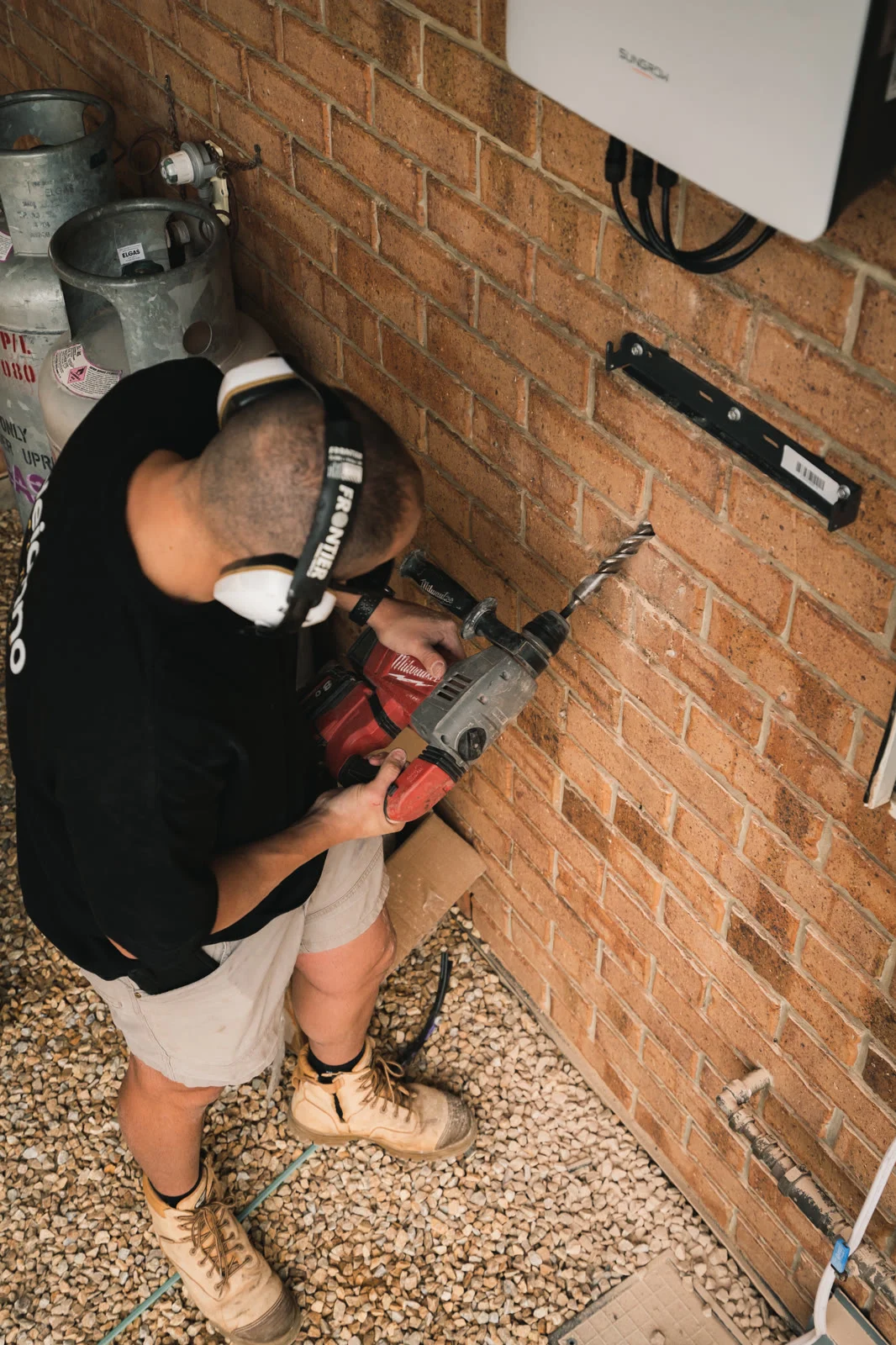
Signs your solar inverter needs repair or replacement
- A blank screen in the middle of a sunny day.
- A red light where there is usually a green one.
- An error code that comes back after a restart.
- The solar breaker or a safety switch tripping.
- Output that has dropped, or a bill that has crept back up.
Got a code on the screen? Type it into our free inverter fault code lookup, which covers 31 brands. The only thing to try yourself is the shutdown and restart procedure on the label beside the inverter. Never take the cover off.
A code doesn’t always mean the inverter is the problem, which is why solar fault finding comes before any decision to replace.
Solar inverter repair or replacement: how we decide
- Warranty. If the maker’s warranty is still running, a claim comes first.
- Age. Solar Victoria’s buyers guide says inverters are not generally expected to last much more than 10 or 15 years [1].
- The fault. A fault outside the inverter is a repair. A failed board or relay inside an old unit usually points to replacement.
- Parts. A maker that still supports its inverters can usually supply them. One that has left cannot.
- Cost against a new unit. When a repair gets close to the price of a replacement, the new unit with a new warranty is the better buy.
- Your plans. A battery on the way changes which inverter makes sense.
Where both are possible, you get both in writing and we tell you which one we’d choose. For faults elsewhere in the system, see solar system repair.
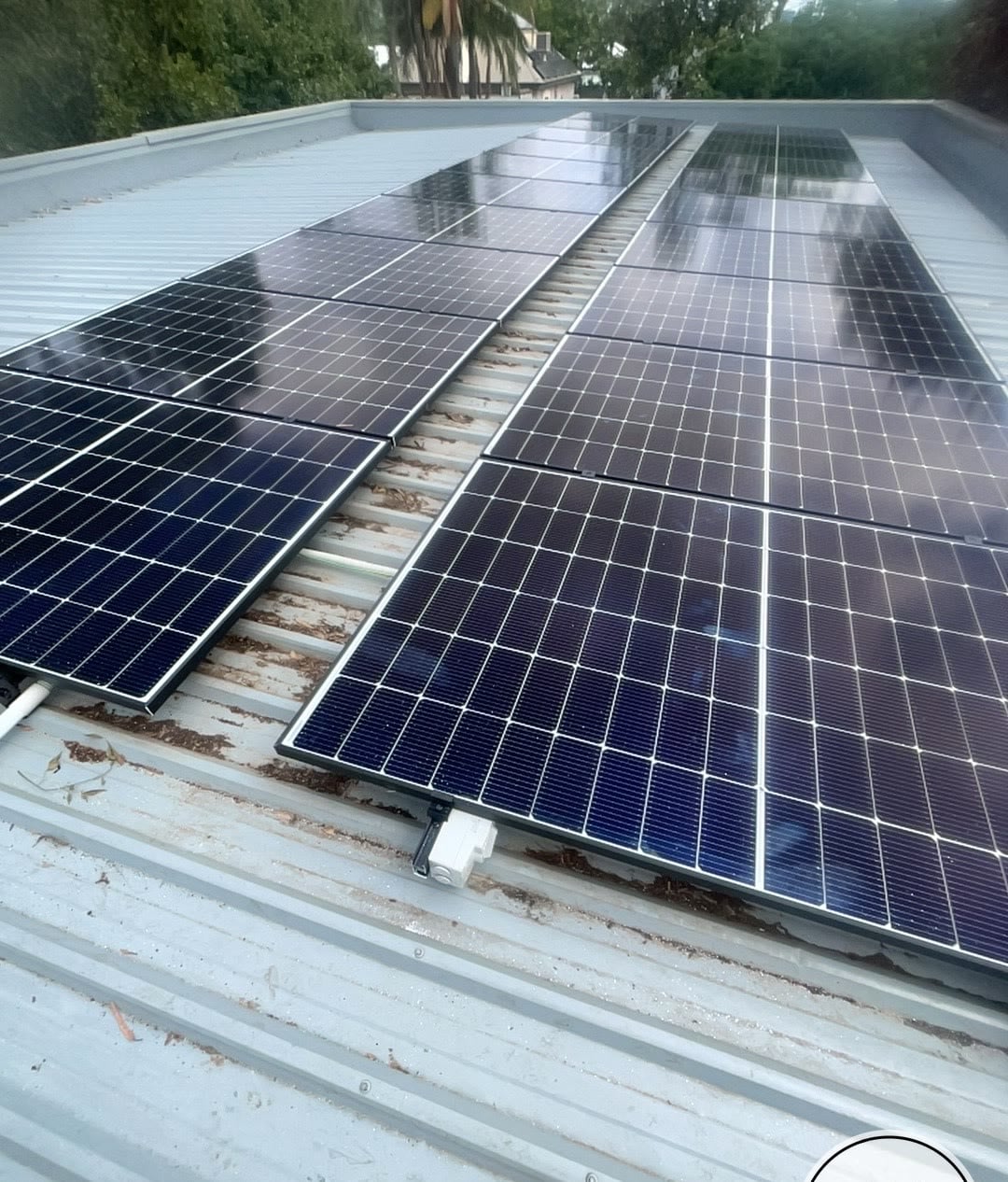
Inverter brands we repair, and the ones we replace
The brand matters more than the code, because the brand decides whether parts and support still exist. Our tables cover 31 brands, sorted three ways.
- Supported brands. Fronius, SMA, Sungrow, GoodWe, Growatt, SolarEdge, Enphase and others are still supported by their makers, so a repair or a warranty claim is often possible. For Fronius inverter repairs, Growatt inverter repairs or an SMA fault, start with our guides to Fronius, Growatt and SMA error codes.
- Legacy models. The maker is still here, but the model has reached the end of its parts support, as the Fronius IG and IG Plus have. A serious fault usually means a replacement.
- Orphaned brands. Zeversolar, Samil, Aerosharp, JFY, Omnik and the Aurora line (sold under the Power-One, ABB and FIMER names) are no longer supported in Australia, so a serious fault on one of these means a replacement. See the Zeversolar and ABB Aurora guides.
We’re a certified installer for Sungrow, Sigenergy and Tesla Powerwall, and we install GoodWe. There’s no off-the-shelf replacement: the new inverter is chosen to suit your panels and your system.
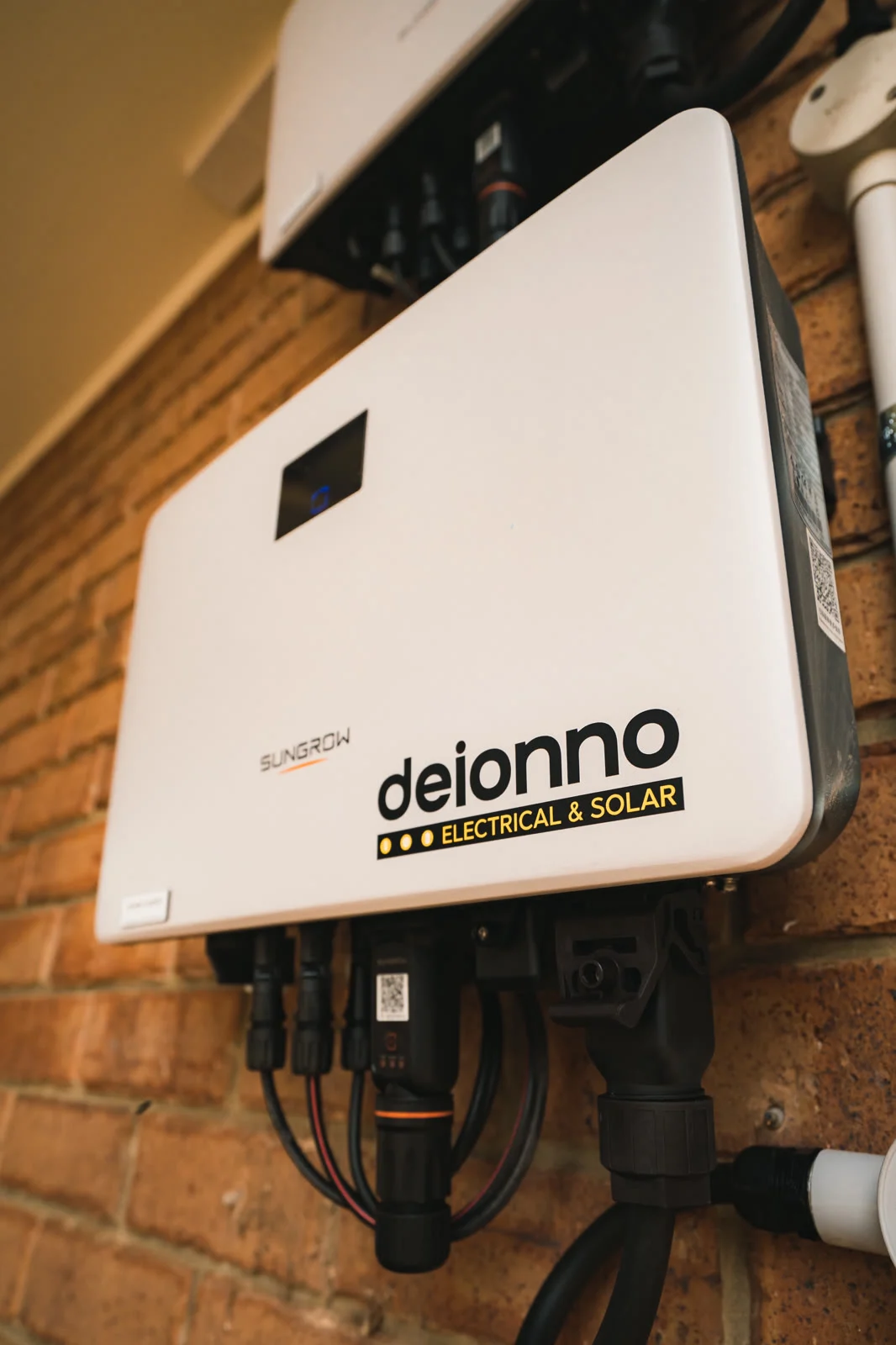
Inverter warranty claims, including systems we did not install
A warranty claim normally goes through the installer who sold the system. If that installer has closed, the claim doesn’t die with them. Choice reports that nearly all inverter brands say they will support a claim made directly by the owner [2].
Where the maker allows it, we handle the claim for you, on our systems and on other people’s: we test the unit, document the fault, lodge the claim and fit the unit that comes back. Some makers cover the labour and some don’t, and your written quote shows which applies.
If the maker itself has gone, the answer is a replacement. Choice also notes that an inverter’s monitoring software may stop working if its brand folds [2].
What a solar inverter replacement involves
A replacement is a full solar inverter installation, and one of our own solar electricians does it.
- The system is shut down and isolated on the AC and DC sides.
- The old inverter comes off the wall and is taken away.
- The cabling, DC isolators and switchboard connections are checked, because the inverter is often not the only tired part.
- The new inverter is mounted, connected and set to the grid settings your network requires.
- The system is commissioned and tested, and monitoring is set up on the new unit.
The work carries our 10-year workmanship warranty, and the inverter carries the maker’s product warranty that comes with the unit. For adding panels or replacing the whole system, see solar upgrades and replacements.
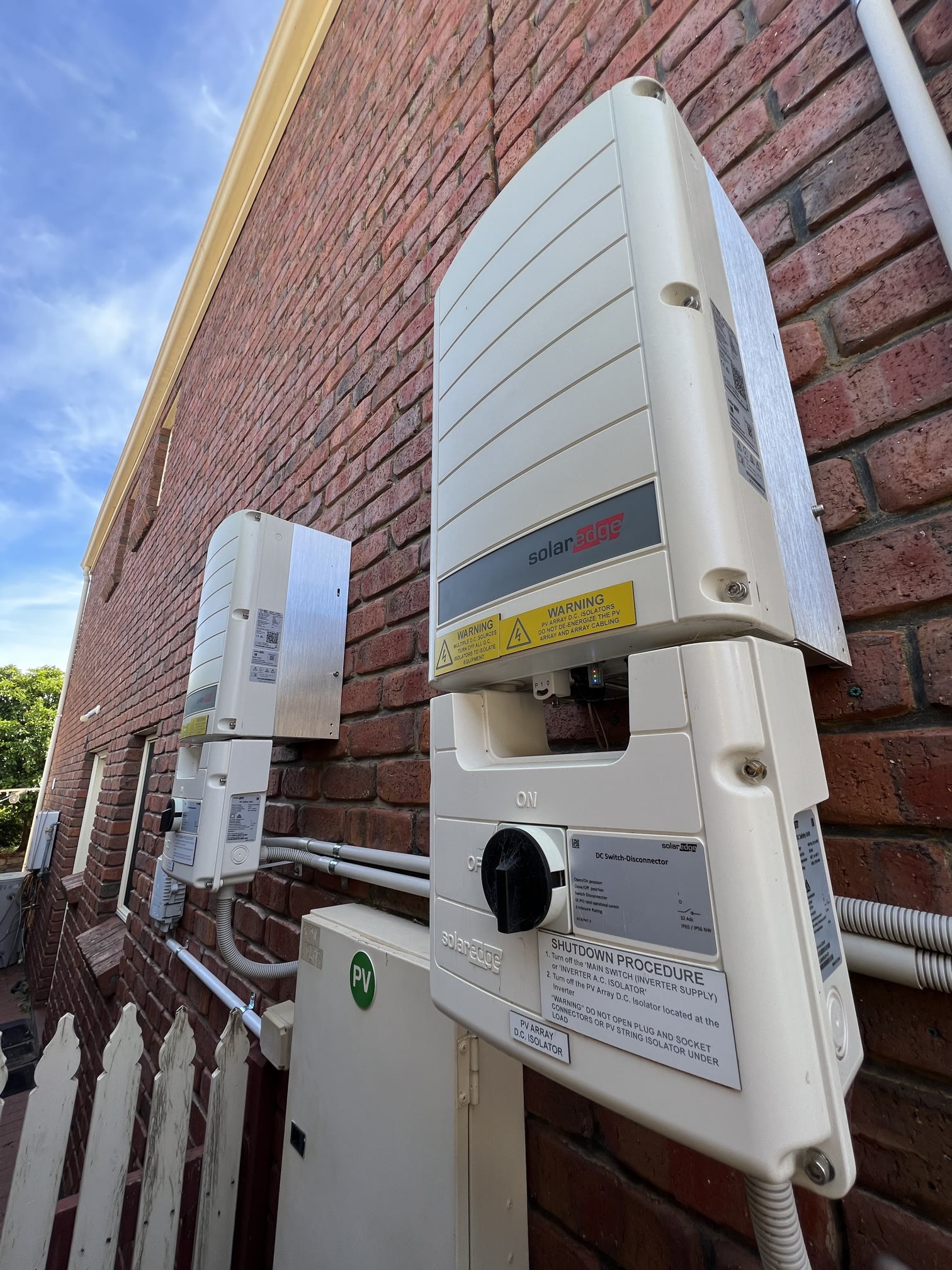
Network rules when an inverter is replaced: SA Power Networks and Energex
The network has to be told about a replacement inverter, and in some cases has to approve it first.
South Australia
From 1 July 2026, SA Power Networks treats only a true like-for-like swap, the same manufacturer and the same model, as a replacement. Any other make or model counts as an upgrade and has to meet the network’s current requirements, including its relevant agent and dynamic export requirements [3]. The State Government’s guide for owners says that when an inverter is replaced outside a warranty claim, the system must be able to be disconnected and reconnected remotely, and the owner must authorise a relevant agent [4]. A like-for-like warranty replacement is treated differently, but it still has to be reported to the network [5].
Queensland
Energex’s connection portal has an application type for replacing an inverter with no increase in capacity, used only where the new unit’s capacity matches the one removed [6]. Ergon Energy Network’s guidance on the current inverter standard says installers must have a connect application approved before any replacement inverter is connected, warranty replacements included. An inverter built to an earlier standard can only be replaced under warranty by the same make and model. Anything else has to meet the current standard [7]. Systems with 10 kVA or more of inverter capacity also need the emergency backstop device when the inverter is replaced outside warranty [8].
In both states we lodge the network application as part of the job.
Replacing an inverter on a 44 cent feed-in tariff
If you’re still paid a 44 cent feed-in tariff, tell us before anything is changed. Both schemes finish in mid-2028, and both can be lost early.
- Queensland. The Solar Bonus Scheme runs to 1 July 2028. A replaced component must be like-for-like, and a larger inverter ends the tariff. So does using a battery with the system, unless it is separately connected [9]. Check with Energex or Ergon before any change.
- South Australia. The payment continues to 30 June 2028 only if the system has not been upgraded or altered, and installing a battery stops it. The Government’s advice is to check your permission to connect and ask SA Power Networks first [10].
With the scheme ending in 2028 either way, the tariff changes the sums on repairing an old inverter against replacing it. Mention it on the first call.
Replacing with a hybrid inverter if a battery is coming
A hybrid inverter runs both the panels and a battery. Fit one now and the battery can be added later without replacing the inverter a second time.
It isn’t always the right call. Choice points out that a battery can also connect through its own battery inverter, or come as an all-in-one unit. Its advice is to choose a hybrid only if a battery is likely soon, because compatibility depends on the brand and model [2].
If a battery is a real plan, we quote the hybrid beside the straight replacement. If it isn’t, we leave it out. We only fit a home battery to a home with solar: see our solar battery installation and home battery installation pages.
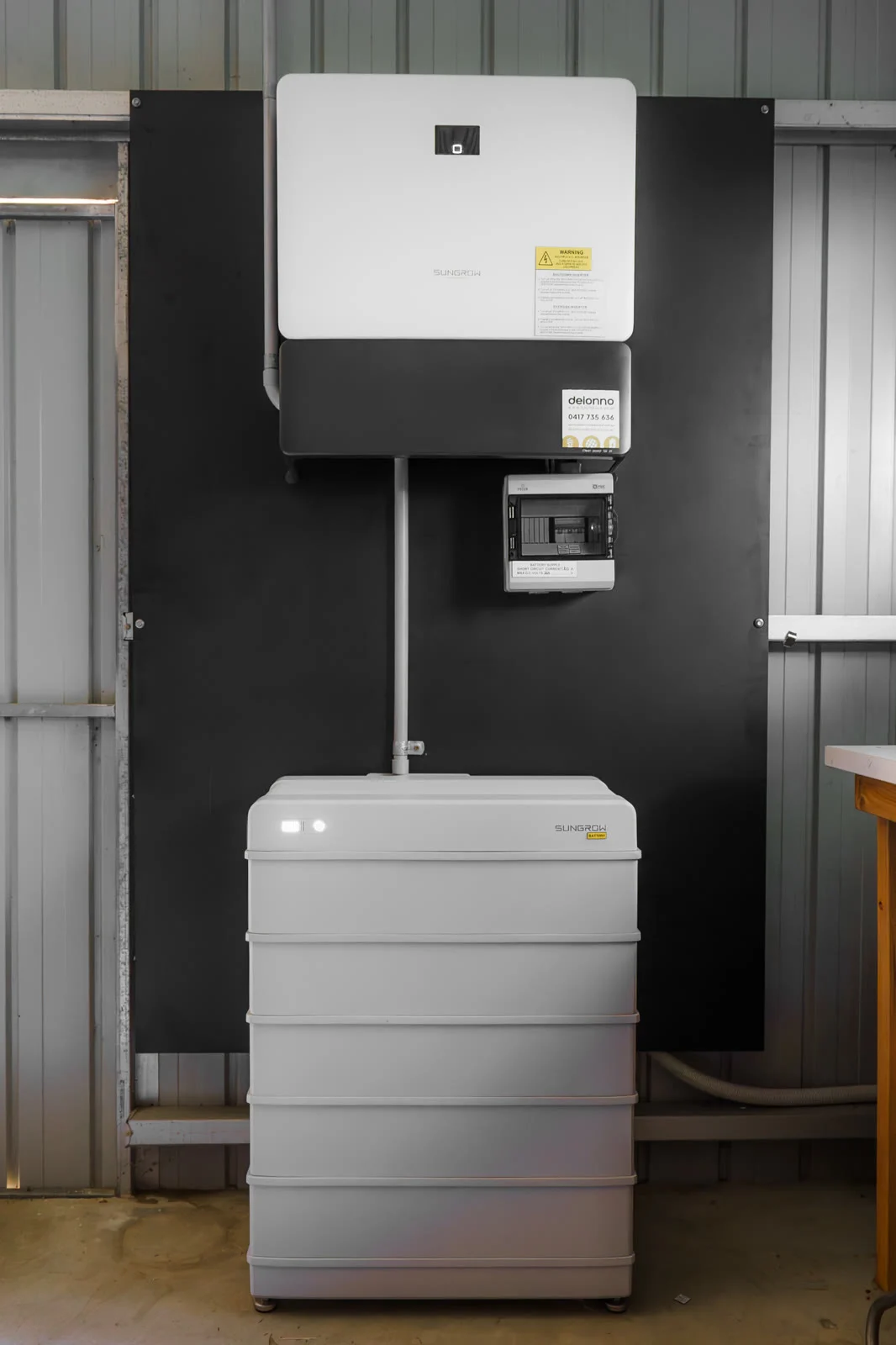
What solar inverter repair and replacement costs
We don’t publish a price list, because the figure depends on the brand, the size of the inverter, the fault and what your network requires. Here’s how the money works.
- The phone diagnosis is free. An electrician tells you which route you’re likely on.
- A visit has a callout fee. You’re told the fee before we book, and it comes off the price of any repair, replacement or other work we do.
- The quote comes before the part. You get a written quote, and nothing is ordered until you say yes.
Solar inverter repairs in Adelaide and on the Sunshine Coast
In South Australia our electricians work from Salisbury Plain, and the Adelaide solar repairs page has the local detail. In Queensland they work from Corbould Park: see Sunshine Coast solar repairs. A system that is working but overdue for a check needs a solar service, which covers solar inverter maintenance.
Call 1800 610 165, 8:00am to 5:00pm Monday to Friday, with the brand and whatever the screen is showing. An electrician will tell you which of the three routes yours is likely on, so you know where it’s heading before anyone books a visit.
Sources
- Solar Victoria, Finding the right inverter for your system.
- CHOICE, Solar inverters buying guide.
- SA Power Networks, Changes to EG like-for-like replacements from 1 July 2026, 17 June 2026.
- Government of South Australia, Regulatory changes for smarter homes: information for customers and owners.
- SA Power Networks, Upcoming changes to embedded generation like-for-like replacements.
- Energex, Connect and EWR service selections.
- Ergon Energy Network, AS/NZS 4777.2 frequently asked questions.
- Ergon Energy Network, Emergency backstop mechanism.
- Queensland Government, Solar Bonus Scheme 44c feed-in tariff.
- Government of South Australia, Solar feed-in payments.
Solar System Replacement After Lightning Strike in Oakden, SA
Solar system replaced after a lightning strike: two SolarEdge three phase inverters, 44 panels at 370 W and 44 optimisers.
Outcome: A lightning strike left both inverters beyond repair, so the system was replaced with two new SolarEdge three-phase inverters, 44 panels and 44 optimisers.
Read the full projectHow an inverter repair or replacement runs
From the first call to a system that is producing again.
Swipe to see more
Solar inverter repair and replacement questions, answered
Straight answers from our electricians. Can’t find yours? Call 1800 610 165 or send us an enquiry and we’ll call you back.
Can solar inverters be repaired?
Sometimes. A fault outside the inverter, such as an isolator or a setting, is a repair. A fault inside the unit can sometimes be fixed on site, but most of the time it ends in a warranty exchange or a new inverter.
How much does it cost to repair a solar inverter?
It depends on the fault and the brand. The diagnosis over the phone costs nothing. A visit has a callout fee, which comes off the price of the work, and you get a written quote before any part is ordered.
How much does it cost to replace a solar inverter?
The price is set by the size of the inverter, the brand, whether it is a straight replacement or a hybrid, and what your network requires. There is no package price. You get a written quote for your system.
Do you need an electrician to fix a solar inverter?
For anything past a restart, yes. The shutdown and restart steps on the label are written for the owner. Leave the rest to a licensed electrician. Every inverter we repair or replace is handled by one of our own.
What is the life expectancy of a solar inverter?
Solar Victoria’s buyers guide says inverters are not generally expected to last much more than 10 or 15 years, and that a household can expect to replace one at least once.
My installer has closed. Who handles the inverter warranty?
The maker. Choice reports that nearly all inverter brands say they will support a claim made directly by the owner. Where the maker allows it we handle the claim for you, including on systems we didn’t install.
Do I need a hybrid inverter to add a battery?
No. A battery can be connected through its own battery inverter or come as an all-in-one unit. A hybrid makes sense when the inverter is being replaced anyway and a battery is likely soon.
Keep reading
Ready to start?
Book a free 60-minute on-site assessment with one of our licensed electricians.
Free 60-minute on-site solar and battery assessment. No obligation.

$0 power bill guarantee
Arrange your free 60 minute on-site Solar & Battery Assessment in 30 seconds!
Which state is your home in?
Do you own your home?
Unfortunately, we only work with homeowners
If you are considering solar for a new home, or on behalf of someone else, select "I own my home"
We only work with homeowners
A solar or battery system is a permanent change to the property, so it needs to be arranged by the person who owns the home.
If you tapped that by mistake, head back and we'll pick up where you left off.
What are you looking for?
Our team can talk you through all options if you're not sure.
What appeals to you most?
You'll get all of these. We'd just like to know what matters most.
How much is your quarterly electricity bill?
The average Adelaide home spends $500 - $1000 per quarter. Not sure of yours? Take your best guess, we'll go through the real numbers at your assessment.
Whatever it is today, our goal is $0. If we don't get you there, we'll pay your bill.
How soon are you looking to get a system installed?
We can work with you on a longer timeline, or get you saving as soon as possible.
What is your address?
We have hundreds of happy customers across South Australia. We need your address to check we service your area and to look at your roof before we visit.
Great news, we service your area!
Anything else to share?
Every system we design is tailored to the home, so the more info the better! (Optional)
How should we get in touch with you?
Last step. We'll call to arrange your free on-site assessment at a time that suits you. No pressure and no obligation.
Request sent, we'll be in touch!
Do you want to skip the queue?
Call to speak directly with a solar specialist during business hours, and we can get your free on-site assessment booked in straight away.
📞What happens next?
- 1We'll give you a call
If you haven't called already, we'll give you a call to say hello.
- 2Discuss your needs and goals
We'll chat about what you're looking for, how we can help, and book in a time for your on-site assessment that suits you.
- 3Your free on-site assessment
We visit your home for 45 to 60 minutes to measure up the roof, check the switchboard and review how you use power.
- 4We send your detailed quote
A tailored proposal with the system design, the savings and the pricing laid out in full.
- 5We design and install
If you're happy with the proposal, our in-house team installs it and shows you how it all works.
4.9Google · 530+ reviews
4.8SolarQuotes reviews