
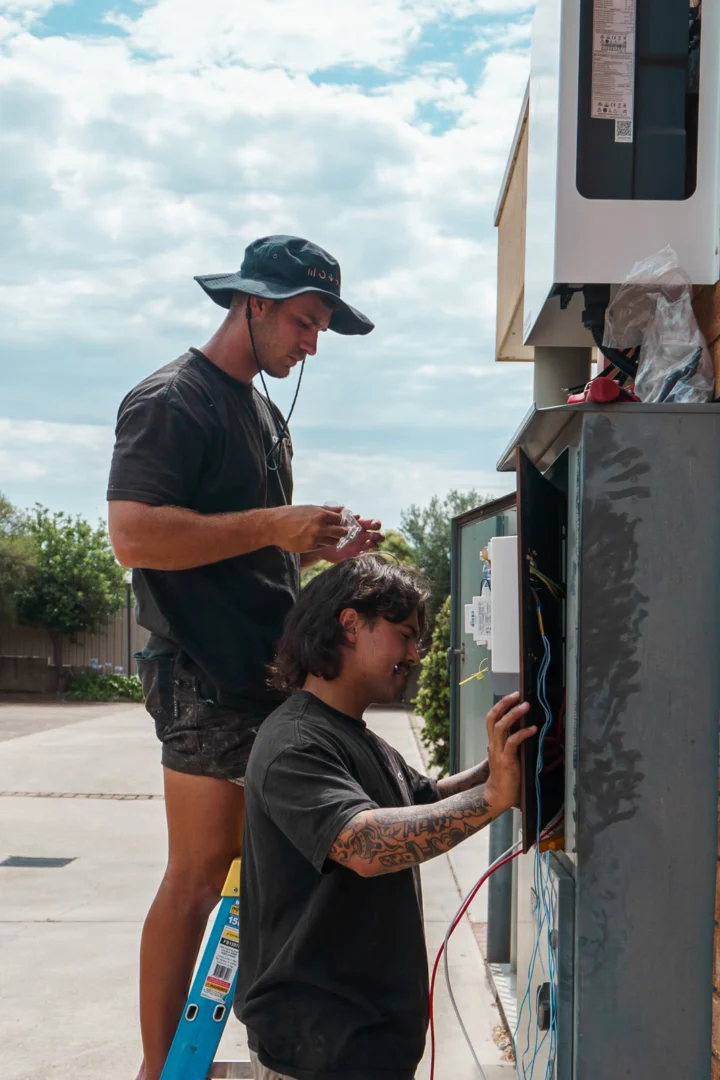
Solar Electricians
Licensed electricians with Solar Accreditation Australia accreditation, on our own team in Adelaide and on the Sunshine Coast. What they do, and how to check any solar electrician before you sign.
 4.9 Google 530+ reviews
 4.8 SolarQuotes
A solar electrician holds a licence and an accreditation. You can check both.
Plenty of solar companies say their installers are licensed and accredited. Very few tell you who holds the accreditation, or where to check either one. The licence comes from the state. The accreditation belongs to a person, never a company, and the federal solar rebate depends on it. Both take a few minutes to look up online, before anyone climbs onto your roof.
Deionno Electrical & Solar has been in business more than ten years, in Adelaide first and now on the Sunshine Coast. We hold SA electrical licence 287733 and Queensland electrical contractor licence 1512582, and all of our qualified electricians hold Solar Accreditation Australia accreditation. This page explains what each credential means and links the registers where you can check them, ours included.
Got a quote and can't tell who is installing it?
Look for a licence number and the name of the accredited installer. If either is missing, book our free on-site assessment and compare before you sign anything.
Who a solar electrician is for
Four situations where it matters who turns up.
Swipe to see more
What a solar electrician is
A solar electrician is a licensed electrician who also holds solar accreditation. Two credentials, from two places.
- The electrical licence comes from the state. It is what lets a person do electrical work.
- The solar accreditation comes from Solar Accreditation Australia, or SAA. It is held by an individual, and the federal solar rebate depends on it.
The Clean Energy Regulator runs the rebate and asks for both. Anyone who designs or installs a system that claims it must be accredited, and must hold an unrestricted electrical licence in the state where the system goes in [1].
All of our qualified electricians hold SAA accreditation, so whoever does your job has both.
Can any electrician install solar?
Queensland’s Electrical Safety Office says any licensed electrician can work on solar systems in that state, and recommends one who works on solar regularly and is accredited [2]. South Australia requires solar and batteries to be installed by a licensed electrician [3].
The rebate asks for more. The system has to be installed by an accredited installer, who must be on site at three points: set-up, a check part-way through, and testing and commissioning [4].
So the licence covers the electrical work, and the accreditation is what the rebate needs on top. Without it, the system doesn’t qualify for the rebate [1]. That is why it matters who turns up.
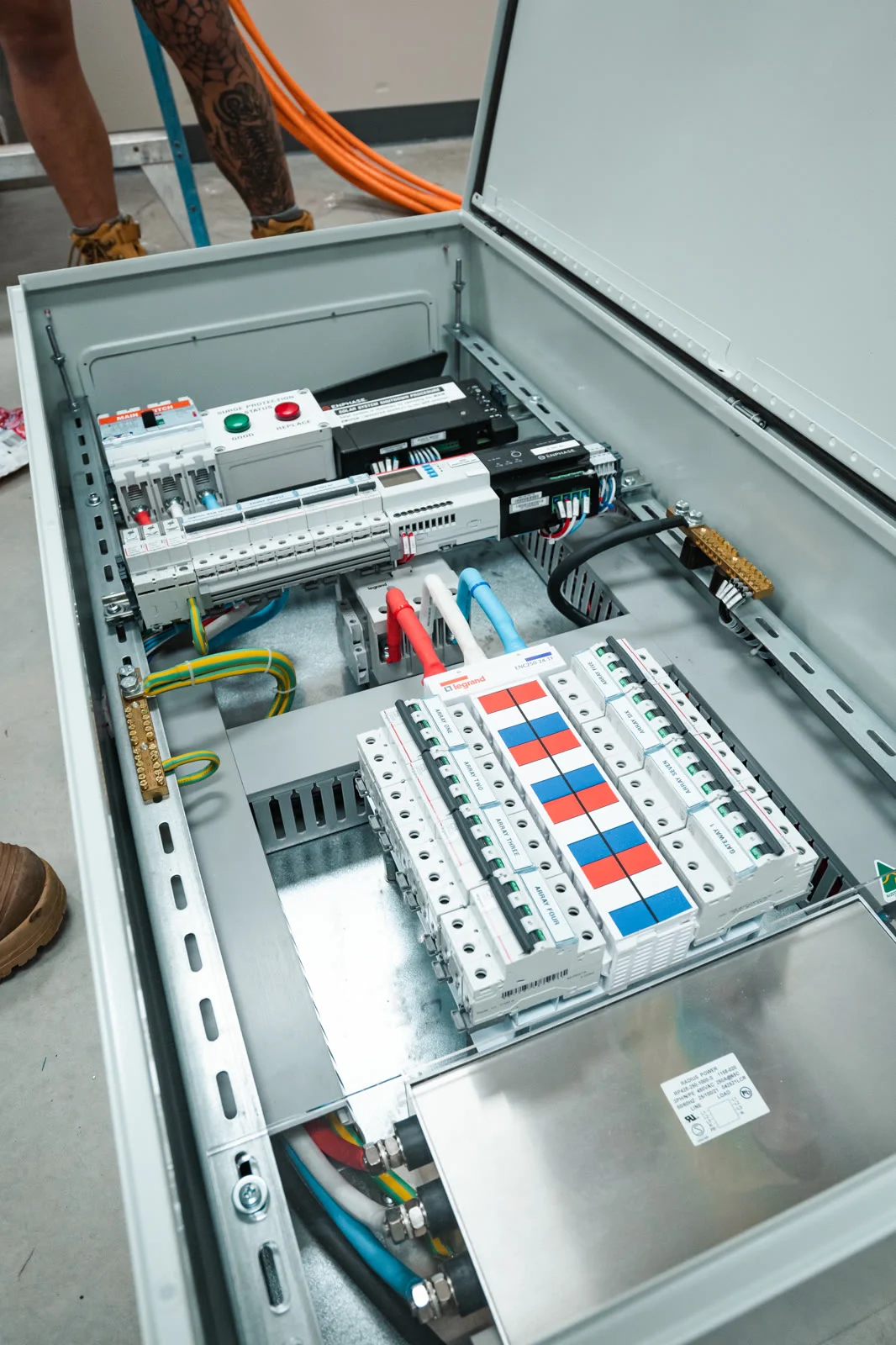
Solar accredited electricians: what accreditation means now
Solar installers used to be accredited by the Clean Energy Council. The scheme moved to Solar Accreditation Australia, and the handover was complete on 29 May 2024 [5]. Three things follow for anyone reading a quote today.
- Accreditation belongs to a person. The federal government’s solar guide puts it in one line: “The accreditation is for the person, not the company” [4]. So ask who that person is on your job. They have a digital identification card and can show it to you on the day.
- The Clean Energy Council no longer accredits individual installers. That is now Solar Accreditation Australia’s job. The Council still keeps the list of approved panels and inverters the rebate relies on [1], so its name can still appear on a quote for that reason.
- The word accredited with no name beside it tells you nothing. Ask which body issued it, and to whom.
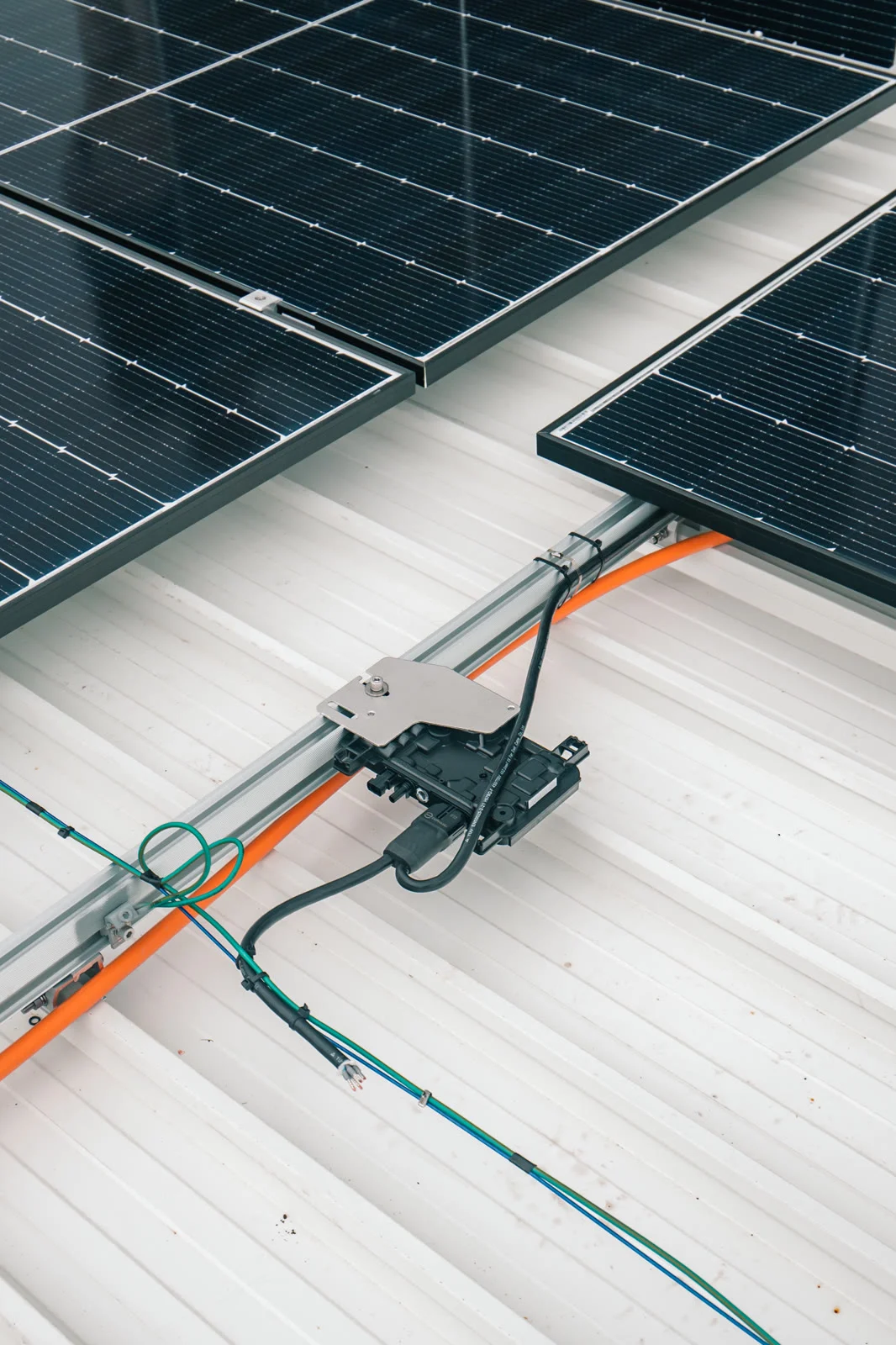
How to check a solar electrician’s licence and accreditation
There are three public look-ups, and each takes a minute or two online.
- The licence, in South Australia. Use the state’s licence check. Search by licence number, surname or trading name [6]. Ours is SA electrical licence 287733.
- The licence, in Queensland. Use the Electrical Safety Office’s Electrical Licence Search. The Office’s advice is to confirm the contractor’s licence is current before you agree to any work [7]. Ours is Queensland electrical contractor licence 1512582.
- The accreditation, in either state. Use the SAA accreditation status check. Enter the installer’s accreditation number to see whether it is current [8]. The federal guide says to ask for that number before you even ask for a quote [5]. Ask every installer, us included, for the number of the electrician who will be on your job.
A company that can’t give you a licence number, or can’t say who the accredited installer will be, hasn’t answered the question yet.
Related read: 5 things to consider when hiring a solar electrician in Adelaide.
Solar electrician or solar retailer: who does the work
The federal government’s guide describes two ways to buy solar. You can buy from an accredited installer, who sells the system and installs it, or from a solar retailer, which subcontracts an accredited installer to do the work [5].
The same guide warns that you might not have met any of the installers before they arrive, and that a retailer may pass the installation to a different company [4].
Both routes are allowed. The difference shows up later, when something needs fixing and you want the people who wired it.
We are the first kind, and we don’t subcontract the solar or the electrical work. A solar specialist assesses your house and quotes the system. Our own licensed, accredited electricians install it, test it and sign it off. Crane crews and heat pump plumbers are the only outside trades we use, and every installation carries our 10-year workmanship warranty.
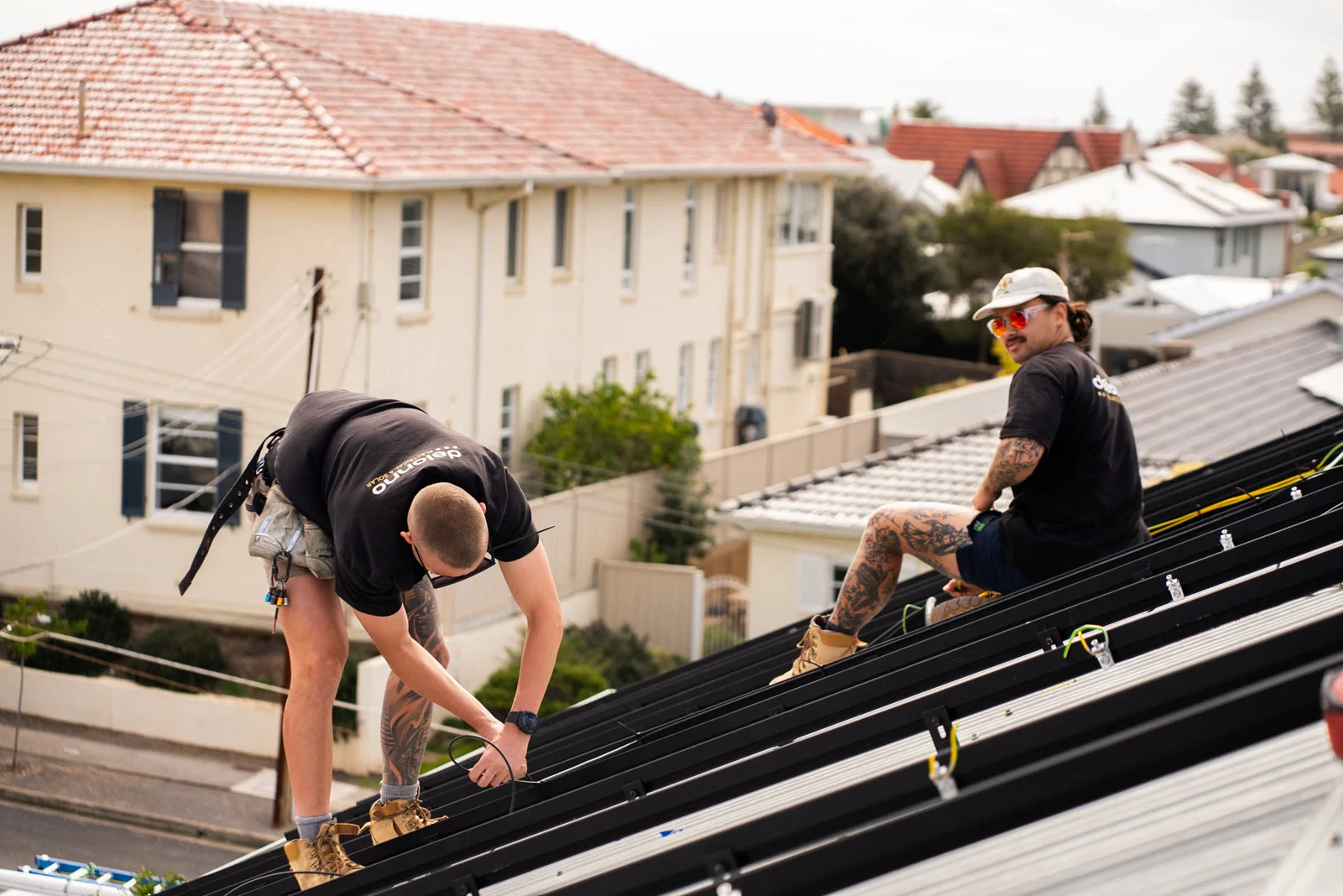
What our solar electricians do
They are electricians first, so the work doesn’t stop at the panels.
- New solar systems. Designed from your bills, not a package off a price list. See home solar installer.
- Batteries. On existing solar or with a new system. We are a certified installer for Sungrow, Sigenergy and Tesla Powerwall. See solar battery installation.
- EV chargers. From Sigenergy, Tesla or GoodWe. See EV charger installation.
- Switchboard and three-phase upgrades. The work an older house sometimes needs before solar or a battery can go on. See our electrician page and three-phase battery installation.
- Fault finding. For a system that has stopped, tripped or lost output. See solar fault finding.
- Repairs on any brand. Including systems we didn’t install. See solar system repair and solar inverter repairs and replacement.
- Servicing. Queensland’s regulator says maintenance involving electrical work must be done by a licensed electrician, and suggests an inspection each year and after storms as a guide [2]. South Australia says a licensed electrician should service a battery system every 12 months [3]. See solar maintenance and servicing.
- Upgrades and replacements. More panels, a second system or a full replacement. See solar upgrades and replacements.
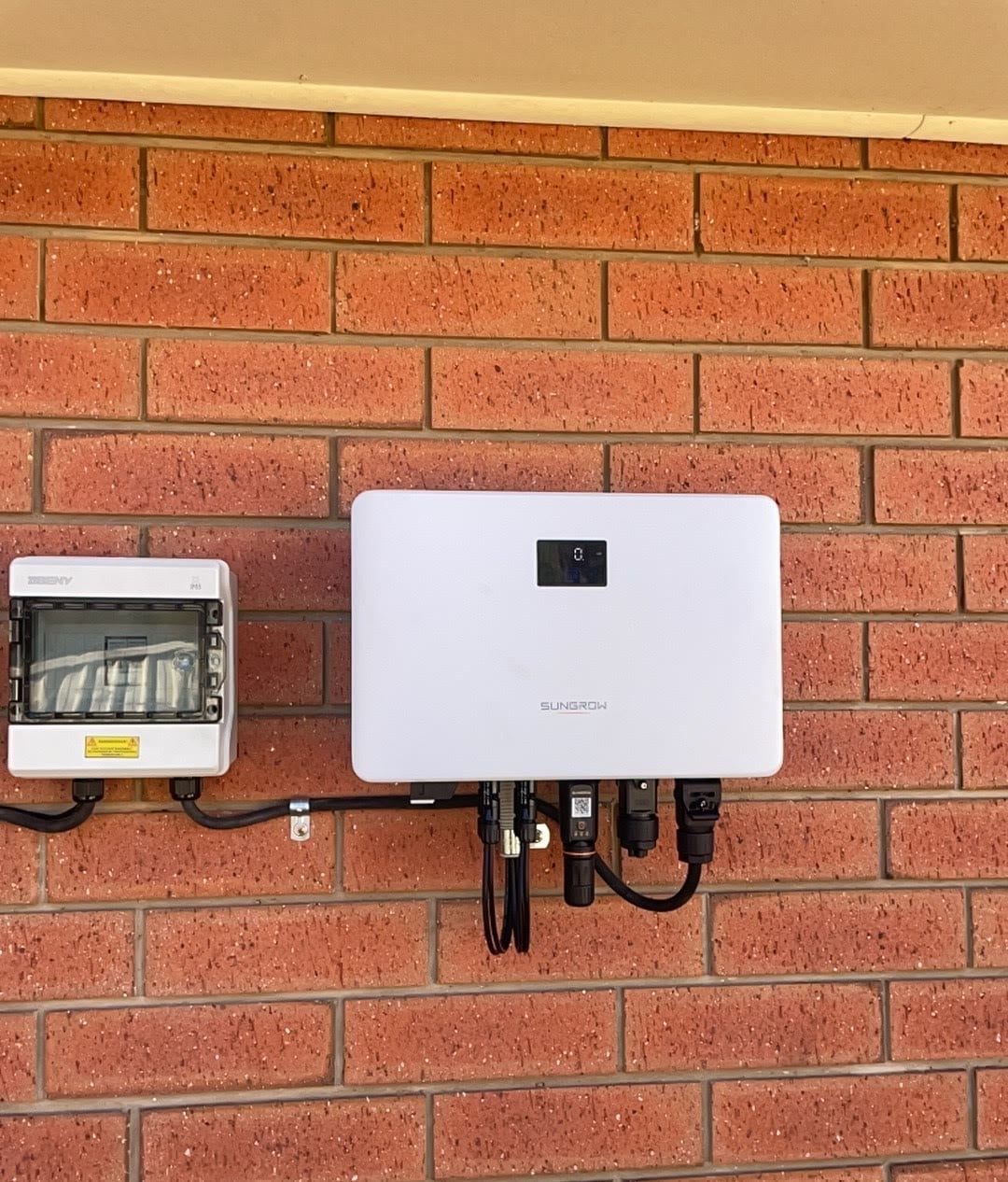
The electrical work behind a solar installation
Solar connects to your house at the switchboard, which is why we check the board at the site visit. An older one may need an upgrade before solar can be connected.
The federal guide makes the same point. A site visit is more likely to pick up a problem with the switchboard, and if nobody visits, you should send a photo of the board and ask for any upgrade to be included in the quote [5].
Switchboard work is electrical work, so it takes a licensed electrician. When your installers are electricians, it is part of the same job.
Two of our own jobs show the range. At Salisbury, a 13.2 kW solar installation with 30 panels and two 5 kW Sungrow inverters came with a switchboard upgrade, and the whole job took two days. At Tranmere, a 16.92 kW system came with a three-phase upgrade: a new switchboard, new consumer mains, an earth stake and a new main switch.
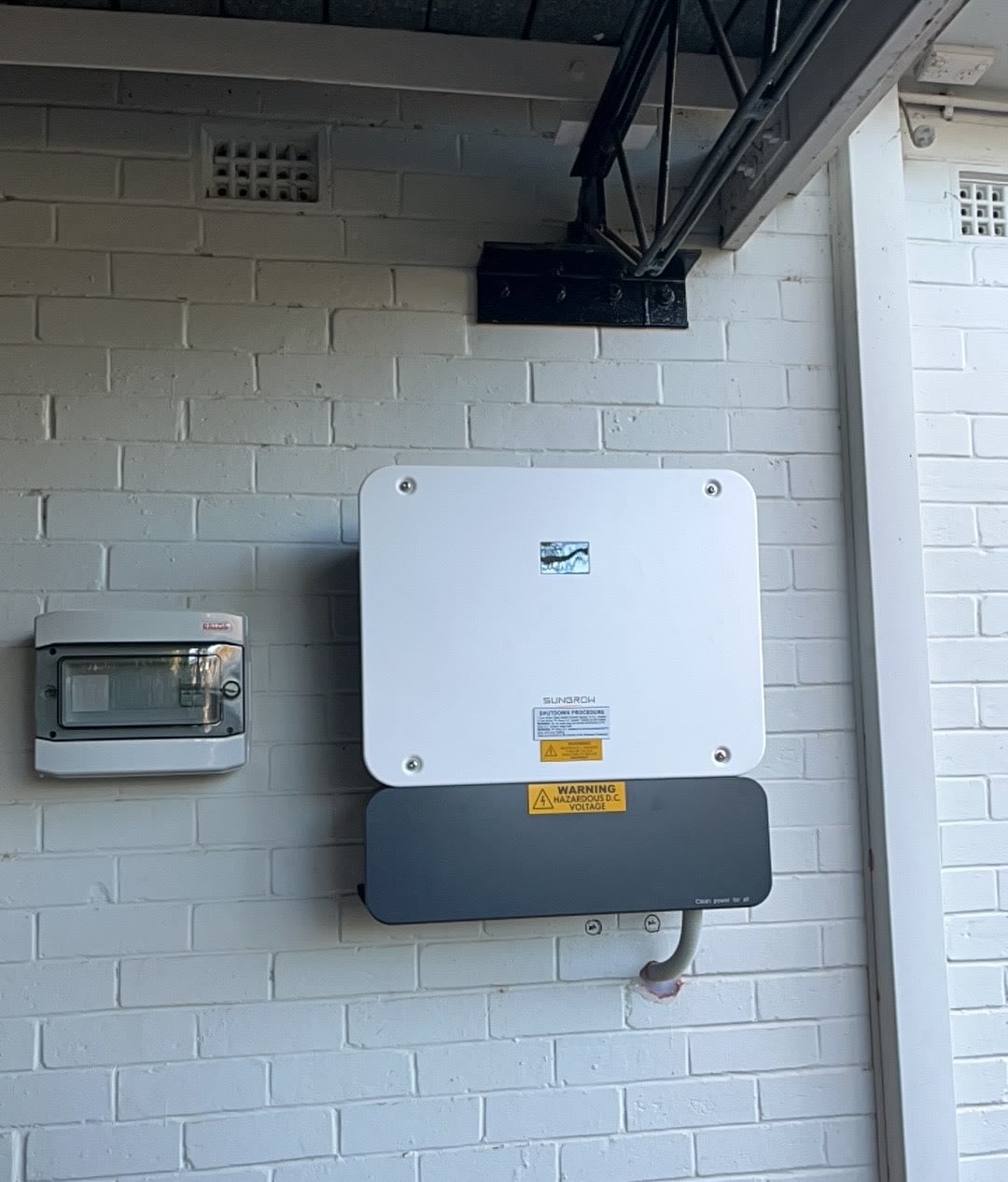
The certificate you should receive after solar electrical work
When the work is finished, you are owed paperwork that says it was tested and complies.
- South Australia. By law the electrician must issue an electronic certificate of compliance, and you should receive it within 30 days. It confirms the person was correctly licensed, and that the work has been tested, is safe and meets Australian Standards. The state also warns that without one, an insurer could refuse a claim if the work causes a fire or damage [9].
- Queensland. The electrical contractor must give you a certificate of testing and compliance for installation work, as soon as possible after the work is finished. It states what was tested, the day it was tested and the contractor licence number it was tested under [10].
- Both states, for the rebate. The installer who tests and commissions the system has to complete an electrical safety or compliance certificate, and sign a statement that a licensed electrician did the work [1].
We issue the compliance certificate on every solar job, as the law requires. Keep it with your warranty papers.
Solar electricians in Adelaide and on the Sunshine Coast
Adelaide and South Australia
SA electrical licence 287733. Our Adelaide electricians work from Salisbury Plain and cover the metro area, the Hills, the Fleurieu, the Barossa and the Yorke Peninsula. See solar installers Adelaide, solar repairs Adelaide or electrician Adelaide.
Sunshine Coast and South East Queensland
Queensland electrical contractor licence 1512582. Our Sunshine Coast electricians work from Corbould Park and cover Caloundra to Noosa, the hinterland, Gympie and north Brisbane. See solar installers Sunshine Coast, solar repairs Sunshine Coast or electrician Sunshine Coast.
The on-site assessment for a new solar system is free in both states, with no travel charge in our service area. Before you sign with anyone, run the three checks above on every quote, ours included. They take minutes, and they are the part of a quote you can confirm for yourself. Then book your assessment on 1800 610 165.
Sources
- Clean Energy Regulator, Solar installers and designers. Page updated 17 November 2026.
- Queensland Electrical Safety Office, Solar PV systems.
- SA.GOV.AU, Solar photovoltaic systems and battery storage.
- energy.gov.au, Installation day and after.
- energy.gov.au, Choose your solar retailer and installer.
- SA.GOV.AU, Check occupational licence holders.
- Queensland Electrical Safety Office, Electrical licence search.
- Solar Accreditation Australia, Accreditation status check.
- SA.GOV.AU, Certificates of compliance.
- WorkSafe Queensland, Issuing certificates of compliance.
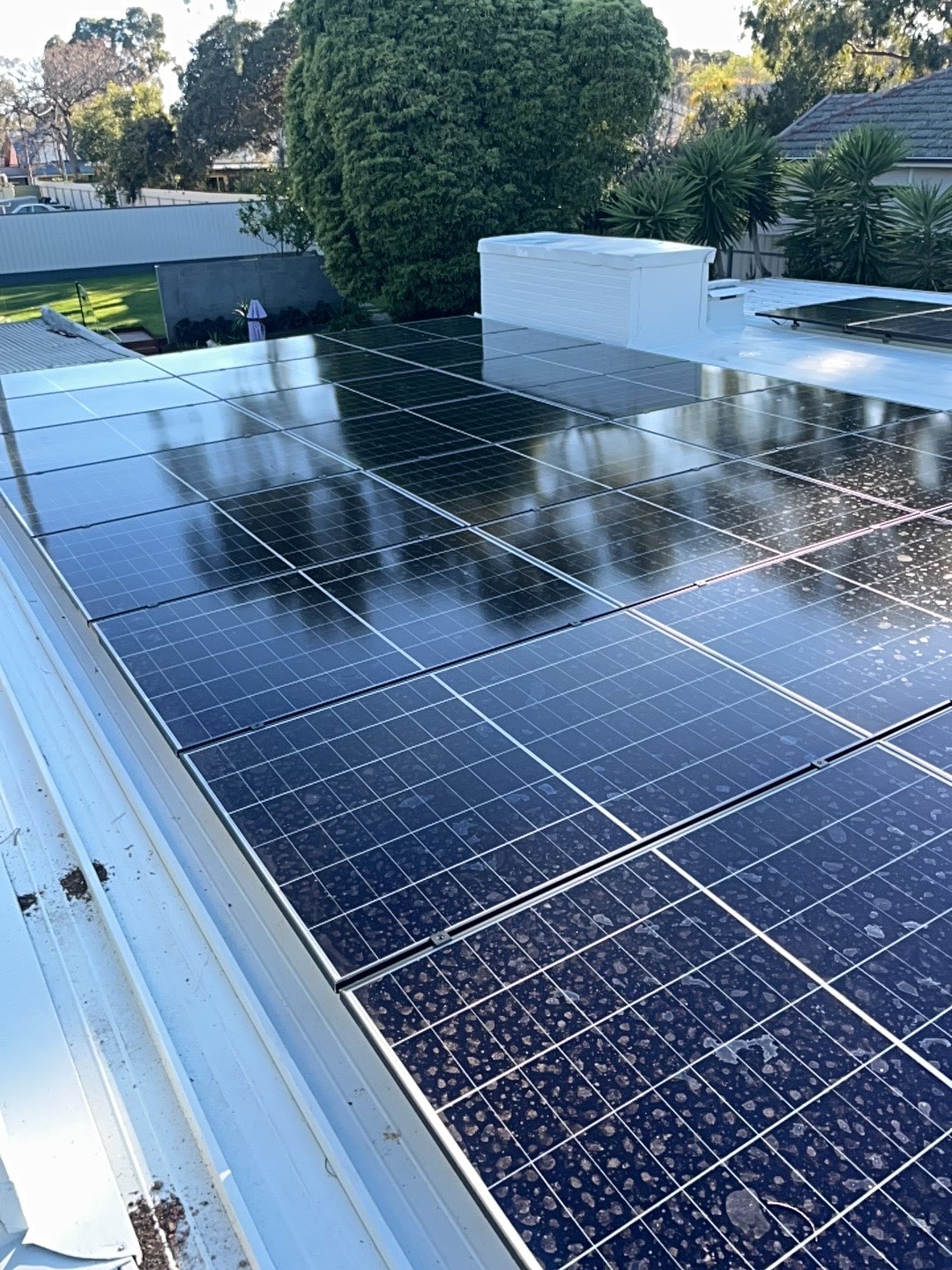
16.92 kW Solar Installation with Three Phase Upgrade in Tranmere, SA
A 16.92 kW solar system with a Sungrow three phase hybrid inverter and a new switchboard with three phase upgrade works, in Tranmere.
Outcome: A 16.92 kW system on a 15 kW Sungrow three-phase hybrid inverter, with the three-phase upgrade and a new switchboard done as part of the same job.
Read the full projectHow to check a solar electrician before you sign
Six checks. The first three take a few minutes online.
Swipe to see more
Solar electrician questions, answered
Straight answers from our electricians. Can’t find yours? Call 1800 610 165 or book the assessment and ask on the day.
Can electricians do solar?
Yes. Queensland’s Electrical Safety Office says any licensed electrician can work on solar systems there, and South Australia requires a licensed electrician to install them. For the federal solar rebate, the installer also needs Solar Accreditation Australia accreditation. All of our qualified electricians hold both.
Do solar installers need to be electricians?
For a grid-connected rooftop system that claims the federal rebate, yes. The Clean Energy Regulator requires the accredited installer to hold an unrestricted electrical licence in the state where the system is installed.
Do electricians service solar panels?
Yes, and where the job involves electrical work it has to be a licensed electrician. Ours service and repair any brand, including systems we didn’t install, starting with a free phone diagnosis. See solar maintenance and servicing.
How do I find an accredited solar installer?
Ask the company for the accreditation number of the person who will install your system, then enter it in the Solar Accreditation Australia status check. Accreditation is held by a person, so a company name on its own can’t be checked.
Is an electrical licence the same as solar accreditation?
No. The licence is issued by the state and covers electrical work. The accreditation is issued by Solar Accreditation Australia to an individual, and it is a condition of the federal solar rebate. A solar electrician holds both, and you can look both up.
What certificate should I get after solar is installed?
In South Australia, an electronic certificate of compliance, within 30 days of the work. In Queensland, a certificate of testing and compliance, as soon as possible after the work is finished. We issue the compliance certificate on every solar job, as the law requires.
Keep reading
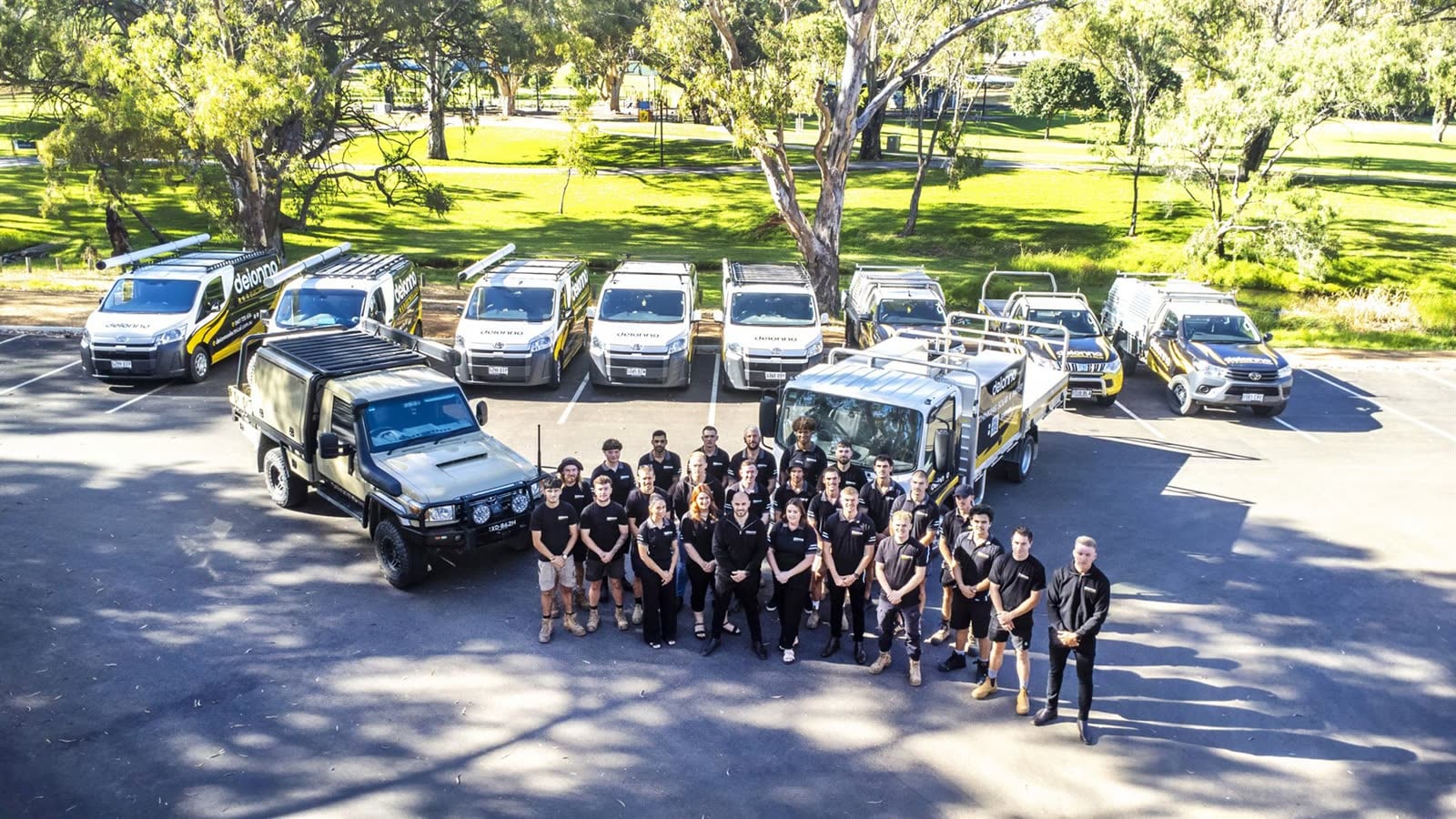
Ready to start?
Book a free 60-minute on-site assessment with one of our licensed electricians.
Free 60-minute on-site solar and battery assessment. No obligation.

$0 power bill guarantee
Arrange your free 60 minute on-site Solar & Battery Assessment in 30 seconds!
Which state is your home in?
Do you own your home?
Unfortunately, we only work with homeowners
If you are considering solar for a new home, or on behalf of someone else, select "I own my home"
We only work with homeowners
A solar or battery system is a permanent change to the property, so it needs to be arranged by the person who owns the home.
If you tapped that by mistake, head back and we'll pick up where you left off.
What are you looking for?
Our team can talk you through all options if you're not sure.
What appeals to you most?
You'll get all of these. We'd just like to know what matters most.
How much is your quarterly electricity bill?
The average Adelaide home spends $500 - $1000 per quarter. Not sure of yours? Take your best guess, we'll go through the real numbers at your assessment.
Whatever it is today, our goal is $0. If we don't get you there, we'll pay your bill.
How soon are you looking to get a system installed?
We can work with you on a longer timeline, or get you saving as soon as possible.
What is your address?
We have hundreds of happy customers across South Australia. We need your address to check we service your area and to look at your roof before we visit.
Great news, we service your area!
Anything else to share?
Every system we design is tailored to the home, so the more info the better! (Optional)
How should we get in touch with you?
Last step. We'll call to arrange your free on-site assessment at a time that suits you. No pressure and no obligation.
Request sent, we'll be in touch!
Do you want to skip the queue?
Call to speak directly with a solar specialist during business hours, and we can get your free on-site assessment booked in straight away.
📞What happens next?
- 1We'll give you a call
If you haven't called already, we'll give you a call to say hello.
- 2Discuss your needs and goals
We'll chat about what you're looking for, how we can help, and book in a time for your on-site assessment that suits you.
- 3Your free on-site assessment
We visit your home for 45 to 60 minutes to measure up the roof, check the switchboard and review how you use power.
- 4We send your detailed quote
A tailored proposal with the system design, the savings and the pricing laid out in full.
- 5We design and install
If you're happy with the proposal, our in-house team installs it and shows you how it all works.
4.9Google · 530+ reviews
4.8SolarQuotes reviews