
Solar Battery Installer
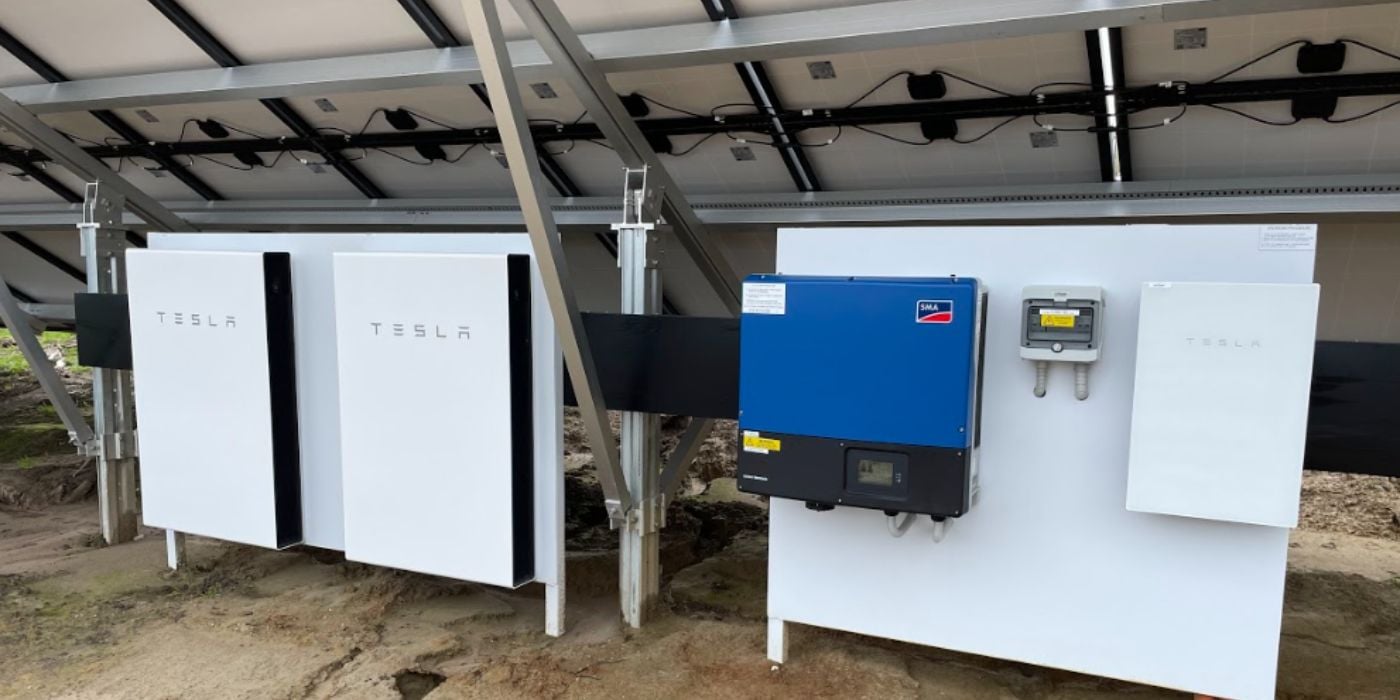
Our own licensed electricians design, fit and commission home batteries. Certified for Sungrow, Sigenergy and Tesla Powerwall, with a 10-year workmanship warranty on every install.
 4.9 Google 530+ reviews
 4.8 SolarQuotes
Pick the solar battery installer before you pick the battery
A home battery is a high-current electrical job on your switchboard, wired to run part of your house when the street goes dark. The brand on the box matters less than the licence, the accreditation and the care of the person who fits it. Here is how to pick a solar battery installer, and what a proper home battery installation involves, from the first visit to the day it is switched on.
Deionno Electrical & Solar is an electrical contractor first. Our own licensed electricians have installed solar and batteries across Adelaide for ten years and now on the Sunshine Coast, more than 4,000 systems in all. We are a certified installer for Sungrow, Sigenergy and Tesla Powerwall, which means the maker has trained and checked our crews on its gear, and every job carries our 10-year workmanship warranty.
Send us a bill and your inverter brand
We can usually tell you over the phone whether a battery suits your existing solar and roughly what size makes sense, before anyone comes out.
Who this page is for
Four people who ring us about batteries, and what each one needs from an installer.
Swipe to see more
What a solar battery installer actually does
The word installer covers a lot. On a battery job the work is: assessing your switchboard and supply, designing the battery and inverter around your usage, lodging the network application, mounting the battery to the standard that applies to lithium batteries in homes, wiring it and any backup circuits into the switchboard, commissioning it, setting up the monitoring, and applying the rebate. Every one of those steps is electrical work or depends on it. That’s why the person signing off your battery should be a licensed electrician, accredited for battery work, not a salesperson with a subcontractor list.
How to check a battery installer before you sign
- Electrical contractor licence. Ask for the number and look it up. Ours are SA 287733 and QLD 1512582, and both are printed in the footer of every page on this site.
- Battery accreditation. The federal battery discount is only available when an accredited installer does the job. Ask who holds the accreditation and whether that person will be on site. Our teams are accredited through Solar Accreditation Australia.
- Manufacturer certification. Sungrow, Sigenergy and Tesla each train and certify installers on their own equipment. A certified installer has done the maker’s course and can lodge a warranty claim with them directly.
- Who does the work. Ask whether the crew that turns up is employed by the company quoting. We employ ours, in both states. The only outside trades we use are a crane crew on a big commercial lift or a plumber on a heat pump.
- Years and numbers. Ten years in business, more than 4,000 solar and battery installations, 4.9 stars on Google from more than 530 reviews and 4.8 on SolarQuotes. Ask any installer for the same four numbers.
Questions to ask any battery installer
Take these to every quote, ours included.
- What is the usable capacity of the battery, not the nominal figure on the brochure?
- Will it work with my existing inverter, or does the quote include a new hybrid inverter?
- Is backup included in this price? Which circuits, and does the switchover happen automatically?
- Does my switchboard need work, and is that in the price?
- Who lodges the network application with SA Power Networks or Energex, and how long does approval take?
- Who is on site on the day, and are they your employees?
- What is the workmanship warranty, separate from the battery’s own warranty, and who do I call if something fails?
- How loud is the inverter, in writing? Where exactly will the battery go?
- Will the system be tested under a simulated outage before you leave?
- Has the rebate been taken off this quote, and who handles the paperwork?
If a quote can’t answer most of those on paper, it isn’t a design yet. It’s a price list.
Who installs the battery at your home
The same electricians who install our solar install our batteries. There’s no separate battery crew hired for the day, and nobody we haven’t trained touches your switchboard. A job normally has a lead electrician who did the assessment or has read its notes, so the person on your driveway already knows the plan.
Where a home battery can be installed
Lithium batteries in homes are installed to an Australian standard that sets out where they may and may not sit. In plain terms: not in a habitable room, clear of doors, windows and exits by set distances, on a surface that will not burn or with a barrier behind it, out of direct afternoon sun where the maker asks for it, and with room around it for airflow and service. A garage wall, a carport post or an external wall in shade are the usual answers. The assessment visit is where we measure this, because the spot you had in mind is sometimes the one spot the standard rules out, and moving a battery after the quote is how surprises happen on install day.
Battery backup power and your switchboard
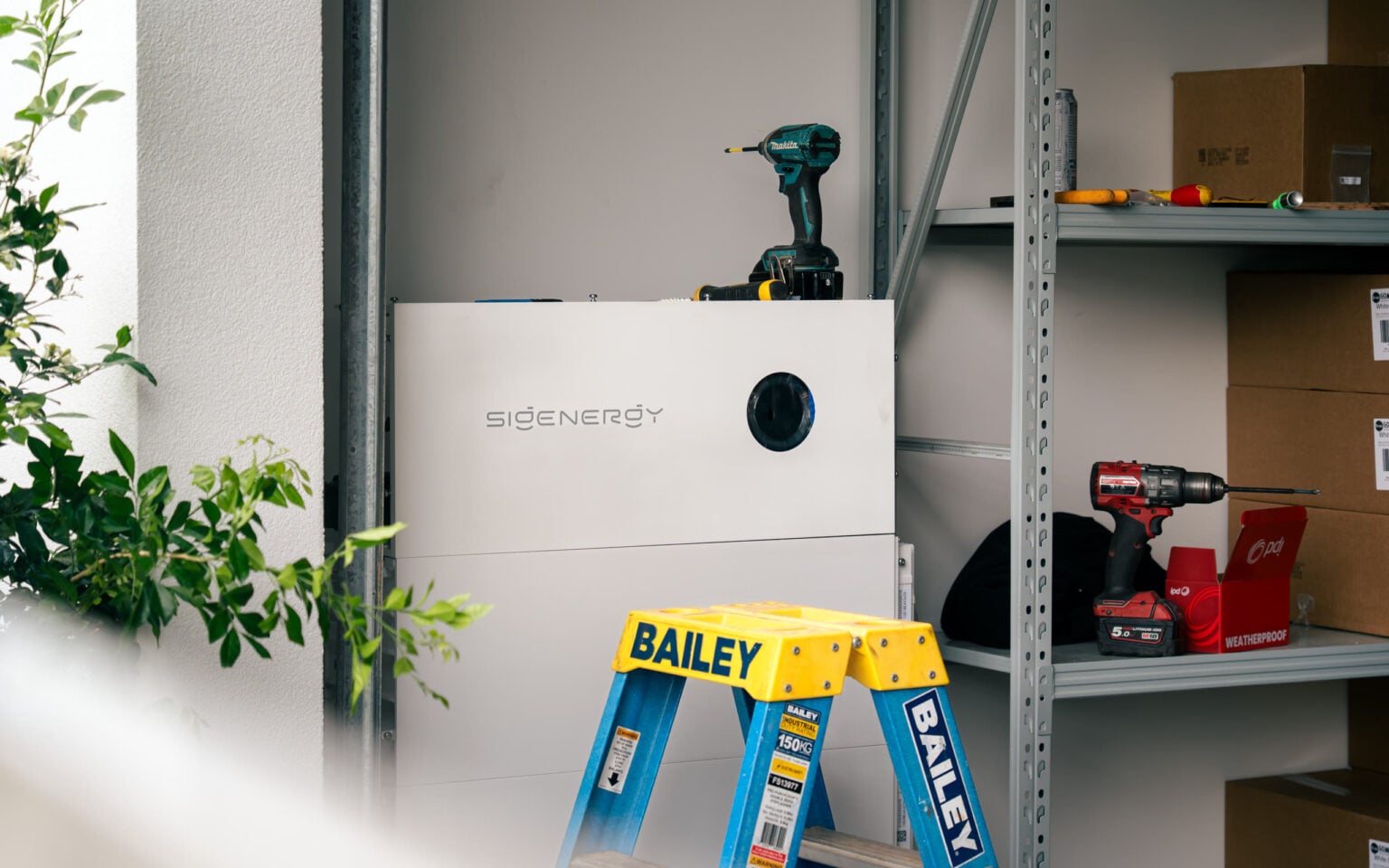
A battery on its own doesn’t keep the lights on in a blackout. Backup needs a gateway or a backup output on the inverter, and a decision about which circuits it protects. Whole-home backup covers everything up to the limit of the inverter. Essential-circuit backup covers the fridge, lights, internet and a few power points, and costs less because the switchboard work is smaller. We talk this through at the assessment, split the circuits at the board, and test the switchover under a real outage before we leave. On the systems we install the changeover is automatic; nobody has to find a switch in the dark.
Older switchboards sometimes need work before a battery can go in: a dedicated breaker, a safety switch, or a board that has simply run out of room. We tell you at the assessment and price it in the proposal, never as an extra on the day.
Adding a battery to existing solar
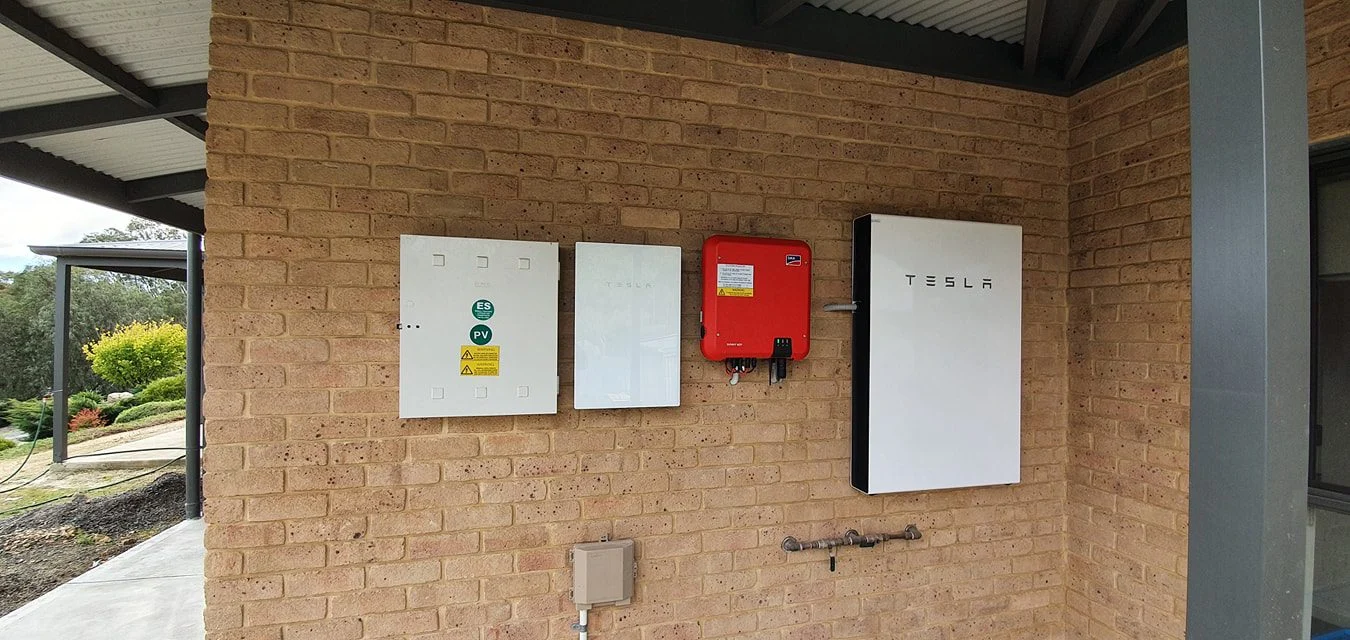
Many of the batteries we fit go onto solar that is already on the roof. Whether that is a straight add-on or needs a new inverter depends on what you have. A hybrid inverter can take a battery on its DC side. A standard string inverter can’t, so the battery brings its own inverter and sits on the AC side, which is how a Tesla Powerwall or a Sigenergy system joins an older array. Either way the solar keeps running. We check the inverter model, the number of panels and the phase of your supply before we quote, and if the existing inverter is near the end of its life we say so rather than hang a new battery on it.
Battery installation warranties: the work and the battery are two different things
The battery carries the maker’s warranty, usually ten years with a guaranteed share of capacity left at the end. The installation carries ours: a 10-year workmanship warranty, written into the contract, covering the wiring, the mounting, the switchboard work and the commissioning. If a fault appears, you call us on 1800 610 165. We diagnose it, and if it is the battery, we lodge the claim with the maker as a certified installer. One number, whichever side the fault is on.
The federal battery rebate, and who claims it
The federal battery discount, the Cheaper Home Batteries Program, comes off the price of an eligible battery installed by an accredited installer. We take it off the quote so the number you see is the number you pay, and we handle the certificate paperwork. For a figure on your own home, the battery rebate calculator on this site works it out from your postcode and battery size. We don’t sign customers up to a virtual power plant. A battery we install can join one later if you choose to.
Solar battery installers in Adelaide and on the Sunshine Coast
Adelaide and South Australia
South Australia has one of the highest shares of home batteries in the country, and the network rules to match. A new battery or hybrid inverter needs an application to SA Power Networks and has to meet the state’s Smarter Homes requirements. Our Adelaide electricians lodge and chase that as part of the job. We install from the Salisbury Plain base across the metro area, the Hills, the Fleurieu, the Barossa and beyond. See the Adelaide battery installation page for your area.
Sunshine Coast and South East Queensland
On the Coast the questions are heat, salt and storms. Batteries go on the shaded side of the house where they can, away from salt spray on the beachside streets, and the backup conversation is a serious one because summer storms take the grid down more often than people expect. Our Sunshine Coast electricians cover Caloundra to Noosa, the hinterland, Gympie and north Brisbane from the Corbould Park base, with Energex applications handled for you. See the Sunshine Coast battery installation page.
More on solar battery installation
For battery sizes, brands and the situations we see most, read the solar battery installation overview. If you are still weighing up brands, our guide to the top-rated solar batteries in Australia compares them.
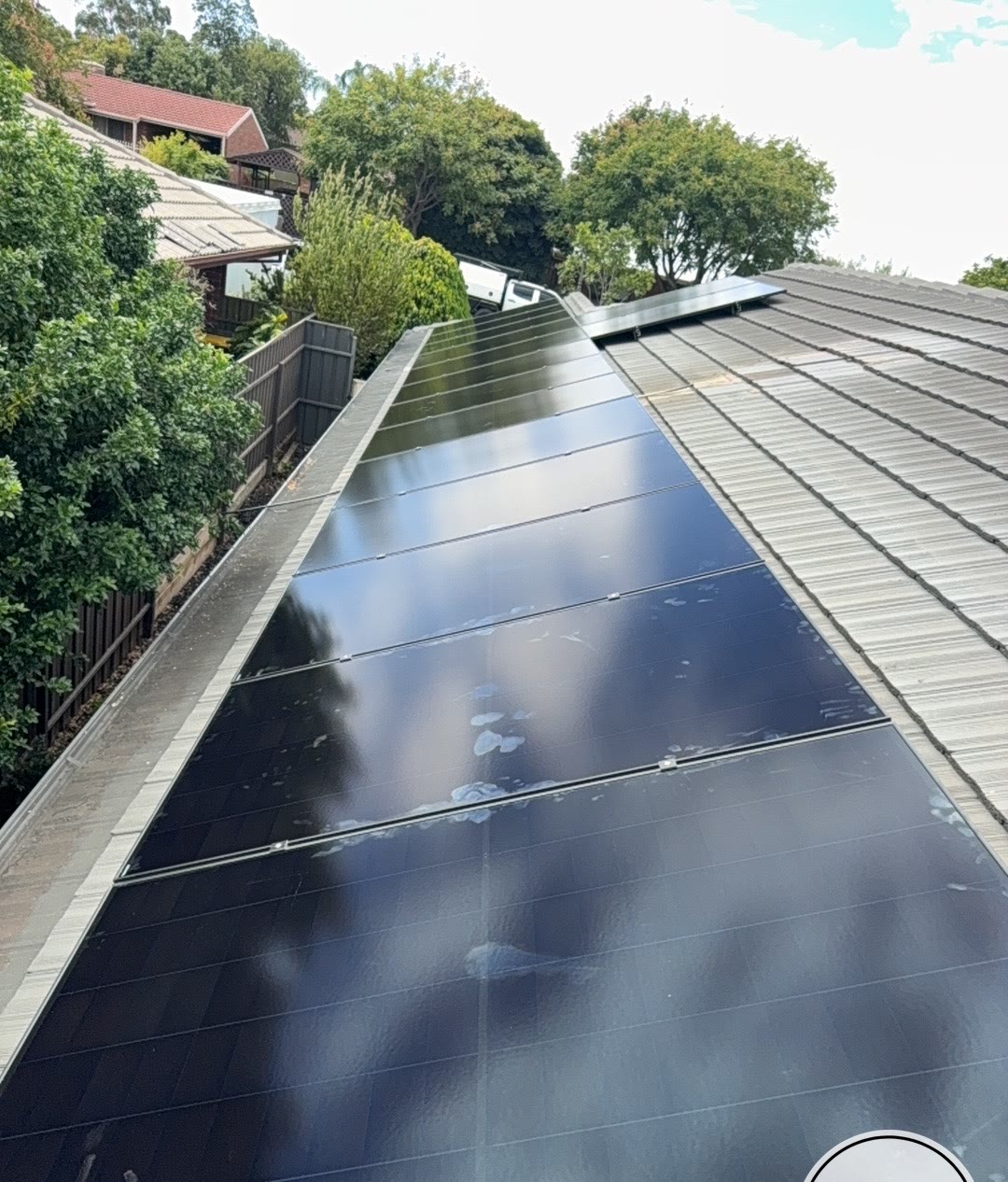
13.77 kW Solar and 19.2 kWh Sungrow Battery Installation in Greenwith, SA
A 13.77 kW array of 27 panels with a 10 kW Sungrow inverter and a 19.2 kWh Sungrow battery, on a north facing tile roof with the battery in the garage.
Read the full projectHow a home battery installation runs
Six steps from the first visit to a battery that is doing its job.
Swipe to see more
Battery installer questions, answered
Straight answers from our electricians. Can’t find yours? Call 1800 610 165 or book the assessment and ask on the day.
Who can legally install a home battery?
A licensed electrical contractor. For the federal battery discount the installer must also hold battery accreditation, which is checked at the time of the claim. Ask for the licence number and the accreditation and look both up before you sign.
Do you use subcontractors for battery installations?
No. The assessment, the installation and the commissioning are all done by our own employed, licensed electricians, in both states. We bring in a crane crew for a large commercial lift and a plumber for heat pump hot water, and that’s the whole list.
How much does a solar battery cost with installation?
It depends on usable capacity, whether you need a new hybrid inverter, whether backup circuits are included and what your switchboard needs. We don’t sell fixed packages; the price is designed from your bills and your home, with the federal discount already taken off. The on-site assessment and the written proposal are free.
Where can a battery be installed at my home?
Usually a garage wall, a carport or an external wall in shade. The standard for home batteries keeps them out of habitable rooms and set distances from doors, windows and exits, on a non-combustible surface or with a barrier. We measure the spot at the assessment so the location is settled before the quote.
Will my switchboard need an upgrade?
Sometimes. A battery needs its own protection at the board, and older boards may be short of space or safety switches. We check at the assessment and put any switchboard work in the proposal, so there are no extras on the day.
Can you add a battery to my existing solar?
In most cases, yes. A hybrid inverter can take a battery directly; a standard inverter needs a battery with its own inverter on the AC side, such as a Tesla Powerwall or a Sigenergy system. We check your inverter model and panel count before quoting and tell you if the old inverter is better replaced.
Will the battery keep the power on in a blackout?
Only if it is installed with backup, which needs a gateway or backup output and the circuits split at the switchboard. You choose whole-home or essential circuits. On the systems we install the changeover is automatic, and we test it under a simulated outage before we leave.
What warranty covers the installation, and who do I call?
Two warranties: the maker’s warranty on the battery, usually ten years, and our 10-year workmanship warranty on the installation. For any fault you call us first. We diagnose it, fix our side, and lodge the maker’s claim for you if it is the battery.
How long does a battery installation take?
Most home batteries are installed and commissioned in a day. A combined solar and battery system, or one with switchboard work, can take up to three. The network approval before install day varies by state and is lodged by us.
Do you handle the rebate paperwork?
Yes. The federal battery discount is taken off the quote and we lodge the certificate paperwork as the accredited installer. Our battery rebate calculator shows the figure for your postcode and battery size.
Keep reading
Work out your numbers first
One thing to look at before anyone comes out.
See a real proposal
A sample of the written proposal you get after the assessment: gear, cost, output, savings and timeline.
View the sample proposal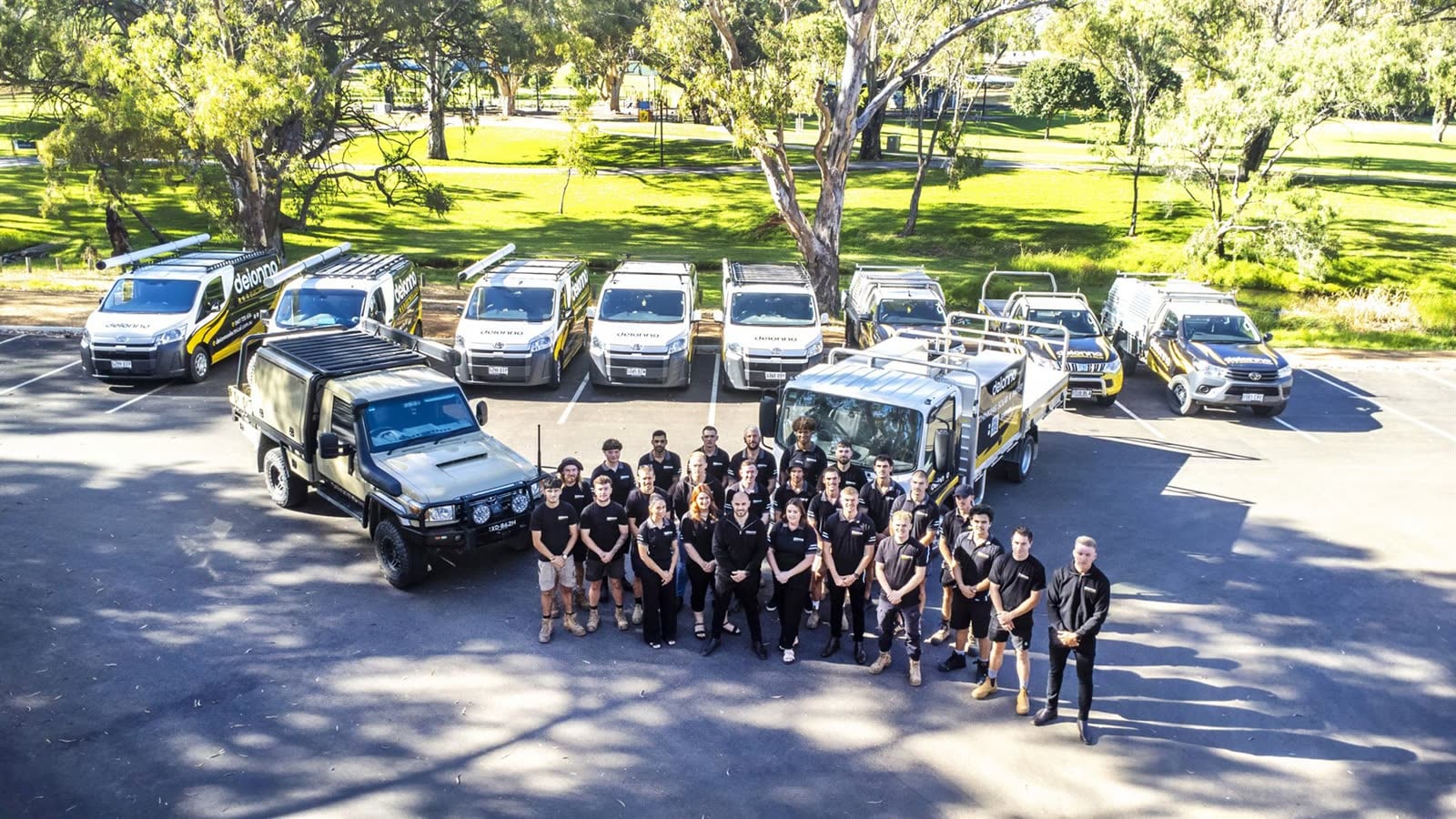
Ready to start?
Book a free 60-minute on-site assessment with one of our licensed electricians.
Free 60-minute on-site solar and battery assessment. No obligation.

$0 power bill guarantee
Arrange your free 60 minute on-site Solar & Battery Assessment in 30 seconds!
Which state is your home in?
Do you own your home?
Unfortunately, we only work with homeowners
If you are considering solar for a new home, or on behalf of someone else, select "I own my home"
We only work with homeowners
A solar or battery system is a permanent change to the property, so it needs to be arranged by the person who owns the home.
If you tapped that by mistake, head back and we'll pick up where you left off.
What are you looking for?
Our team can talk you through all options if you're not sure.
What appeals to you most?
You'll get all of these. We'd just like to know what matters most.
How much is your quarterly electricity bill?
The average Adelaide home spends $500 - $1000 per quarter. Not sure of yours? Take your best guess, we'll go through the real numbers at your assessment.
Whatever it is today, our goal is $0. If we don't get you there, we'll pay your bill.
How soon are you looking to get a system installed?
We can work with you on a longer timeline, or get you saving as soon as possible.
What is your address?
We have hundreds of happy customers across South Australia. We need your address to check we service your area and to look at your roof before we visit.
Great news, we service your area!
Anything else to share?
Every system we design is tailored to the home, so the more info the better! (Optional)
How should we get in touch with you?
Last step. We'll call to arrange your free on-site assessment at a time that suits you. No pressure and no obligation.
Request sent, we'll be in touch!
Do you want to skip the queue?
Call to speak directly with a solar specialist during business hours, and we can get your free on-site assessment booked in straight away.
📞What happens next?
- 1We'll give you a call
If you haven't called already, we'll give you a call to say hello.
- 2Discuss your needs and goals
We'll chat about what you're looking for, how we can help, and book in a time for your on-site assessment that suits you.
- 3Your free on-site assessment
We visit your home for 45 to 60 minutes to measure up the roof, check the switchboard and review how you use power.
- 4We send your detailed quote
A tailored proposal with the system design, the savings and the pricing laid out in full.
- 5We design and install
If you're happy with the proposal, our in-house team installs it and shows you how it all works.
4.9Google · 530+ reviews
4.8SolarQuotes reviews