
Complete Solar Maintenance Guide for Australian Homes (2026)
You’ve made the investment in solar to slash your power bills and reduce your carbon footprint.
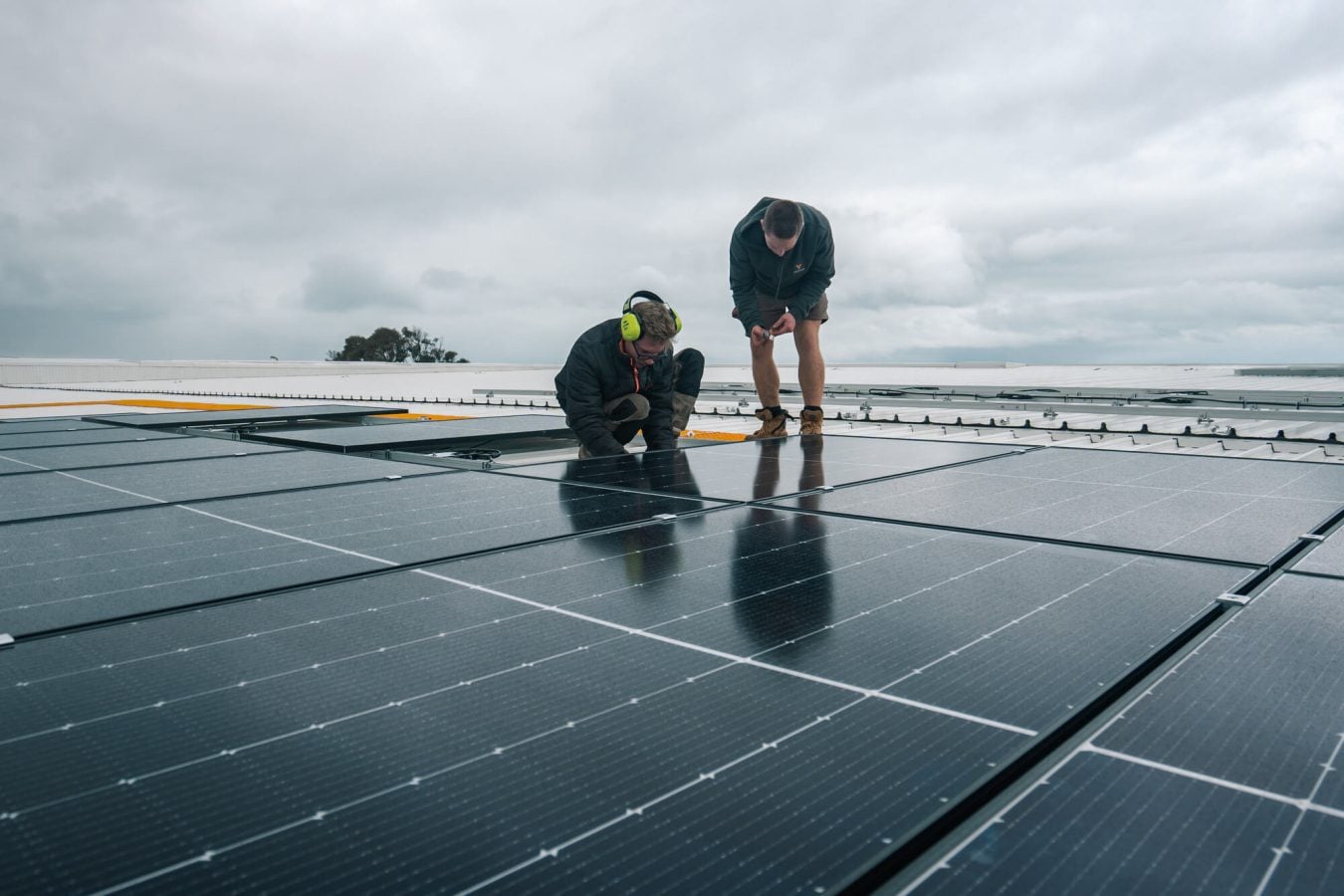
You’ve made the investment in solar to slash your power bills and reduce your carbon footprint. But the common saying that solar panels are “set and forget” isn’t entirely true. While solar PV systems are robust, they are high-voltage electrical assets sitting exposed to the harsh Australian elements – from blistering UV rays to hail and eucalyptus debris. This guide covers everything you need to know about maintaining your solar system, what you can do yourself, and when you legally need to call a professional.
Do Solar Panels Need Servicing?
The short answer is yes. While your solar panels don’t have moving parts like a car, their electrical components do degrade over time. Neglecting your system can lead to two major issues:
- Reduced Yield: Dirt, grime, and lichen can drop your energy output by 5% to 20%.
- Safety Risks: In Australia, “DC Isolators” (the switches often found on the roof) are a common point of failure and can become fire hazards if water seals degrade.
Key Takeaway: Think of solar maintenance in two tiers: Cleaning (which you might be able to do) and Electrical Servicing (which requires a licensed professional). DIY Maintenance (What You Can Do Safely) Safety Note: The Clean Energy Council advises homeowners never to attempt electrical work. Most “DIY” maintenance should be done with your feet firmly on the ground.
1. The Visual Ground Inspection
Every few months, take a walk around your property and look up at your panels. You are checking for:
- Debris Build-up: Leaves or branches caught underneath the panels (a fire risk).
- Shading: Have nearby trees grown enough to cast new shadows on your array? Even partial shading can significantly drop the output of a string system.
- Visible Damage: Look for cracked glass or “snail trails” (brown lines) on the panels.
2. Check Your Inverter
Your inverter is the heart of your system. It’s usually a box on the wall in your garage or on the side of your house.
- The “Green Light” Test: Most inverters (Fronius, Sungrow, SMA, etc.) have status lights. A solid green light usually means the system is healthy. A red or orange light indicates a fault.
- Daily Output Check: Check the display or your monitoring app. If your system is a 6.6kW system, on a sunny Australian summer day, it should be producing roughly 30-40kWh. If it’s significantly lower, something is wrong.
3. Monitor Your Bill
Often, the first sign of a broken solar system is a “bill shock.” If your feed-in tariff credit drops suddenly or your grid usage spikes without a change in your habits, your system may have tripped off. Cleaning Your Solar Panels
Do I really need to clean them?
In many parts of Australia, if your panels are tilted at 10 degrees or more, heavy rainfall does a decent job of washing away dust. However, you should clean them if:
- You live in a drought-prone area with little rain.
- Your panels are flat (0–5 degrees tilt), causing dirt to pool.
- You have heavy bird or bat populations (droppings are acidic and can etch the glass).
- You are near the ocean (salt mist) or a main road (grime).
How to Clean Safely
If you decide to clean them yourself, safety is paramount.
- Shut Down the System: Follow the “Shutdown Procedure” listed on your inverter or switchboard.
- Stay on the Ground: Use a high-quality extension pole with a soft brush and squeegee.
- Water Only: Use de-ionized water or rainwater. Avoid harsh detergents which can leave streaks or damage seals.
- No Pressure Washers: Never use a Karcher or high-pressure hose. The force can force water into the electrical junction boxes behind the panel.
Pro Tip: Clean early in the morning or late evening. Spraying cold water on hot panels in the middle of an Australian summer day can cause the glass to crack from thermal shock. Professional Electrical Servicing While cleaning keeps the glass clear, a “service” ensures the system won’t burn down. Authoritative bodies like Energy Safe Victoria and the NSW Fair Trading recommend a professional inspection every 2 to 5 years.
What does a Solar Electrician check?
A comprehensive service by a Solar Accreditation Australia (SAA) accredited installer includes:
- DC Isolator Integrity: Checking for water ingress or UV damage (the #1 cause of solar fires).
- Cabling & Conduits: Ensuring insulation hasn’t been chewed by possums or rats.
- Mounting Gear: Checking that clamps haven’t loosened in high winds.
- Voltage & Resistance Testing: Using specialized tools to ensure the system is operating within safe electrical parameters.
Estimated Costs (2026 Guide)
Prices vary by state and system size, but here are the averages for Australian metro areas:
| Service Type | Estimated Cost (AUD) | Frequency |
| Professional Cleaning | $10 – $20 per panel | Every 1-2 years |
| Standard Electrical Service | $250 – $350 | Every 2-5 years |
| Inverter Replacement | $1,500 – $3,000 | Every 10-15 years |
Common Solar Problems & Solutions Identifying these early can save you thousands in lost generation.
Free 60-minute on-site assessment
A licensed electrician measures your roof and your bill. No phone quotes.
| Issue | Cause | Solution |
| Micro-Cracks | Hail, or installers walking on panels. | Requires panel replacement (often covered by insurance). |
| Hot Spots | Shading from bird droppings causing cells to overheat. | Clean immediately. If permanent, replace panel. |
| Isolation Fault | Moisture getting into the wiring or switches. | Call a pro immediately. System usually shuts down automatically. |
| Inverter Error | Grid voltage spikes or internal failure. | Check warranty status; usually requires replacement if >10 years old. |
Frequently Asked Questions (FAQ) Does cleaning solar panels increase efficiency? Yes. Studies have shown that heavily soiled panels can lose 15-25% of their efficiency. A regular clean ensures you get the maximum rebate on your feed-in tariff.
Can I walk on my solar panels to clean them? No. While they look sturdy, walking on panels causes invisible “micro-cracks” in the silicon cells. These cracks grow over time and ruin the panel’s output.
Will servicing void my warranty? Generally, no. In fact, some manufacturers require proof of regular maintenance to keep the warranty valid. Always check your specific product manual.
Protect Your Asset Your solar system is a power station on your roof. While it requires very little day-to-day effort, a proactive approach to maintenance ensures it continues to pay for itself for decades. The Golden Rules:
- Check your inverter lights every time you receive a bill.
- Clean your panels only if rain isn’t doing the job.
- Book a licensed electrician for a safety check every 5 years.
Need a health check for your system? Contact us to speak with our solar experts today.
Frequently asked questions
How often should a licensed electrician service my solar system?
The guide says authoritative bodies recommend a professional inspection every 2 to 5 years, and its golden rule is a licensed electrician safety check every 5 years.
It puts a standard electrical service at around $250 to $350. Between services, check your inverter lights every time a bill arrives.
What does a professional solar service actually check?
An accredited installer checks the DC isolators for water ingress or UV damage, which the guide names as the number one cause of solar fires.
They also check cabling and conduits for chewing by possums or rats, test that mounting clamps have not loosened in high winds, and test voltage and resistance.
Can I use a pressure washer to clean my panels?
No. The force can push water into the electrical junction boxes behind the panels.
Shut the system down first using the shutdown procedure, then clean from the ground with an extension pole, soft brush and squeegee, using rainwater or de-ionised water. Clean early morning or late evening, not on hot panels at midday.
How can I tell if my solar system has stopped working properly?
Look at the inverter. A solid green light usually means it is healthy, while red or orange means a fault. A 6.6kW system should make roughly 30 to 40kWh on a sunny summer day.
A sudden drop in feed-in credit or a jump in grid use is another sign. Call 1800 610 165 for a free on-site assessment.
 Written by
Joe Deionno
Started in 2017 after years of subcontracting and seeing the dodgy operators at work; set out to be the installer people could trust. Oversees every install in both states.
Related guides
More solar repairs guides from our electricians.
Swipe to see more

The Complete Guide To Zeversolar Inverter Error Codes
All 27 Zeversolar and Eversolar error codes in plain English: what each number means, how urgent it is, how to reset your inverter safely, and what to replace it with now the company has closed.
Read more
The Complete Guide To Omnik Inverter Error Codes
All 20 Omnik and Trannergy error codes in plain English: what each one means, how urgent it is, how to restart safely, and what your replacement options are now Omnik and its portal are gone.
Read more
The Complete Guide To Tesla Powerwall Error Codes
All 15 Tesla Powerwall alerts and error messages in plain English: what each one means, how urgent it is, how to restart safely through the Tesla app, and when it needs Tesla’s own service.
Read moreServices this guide relates to
Ready to start?
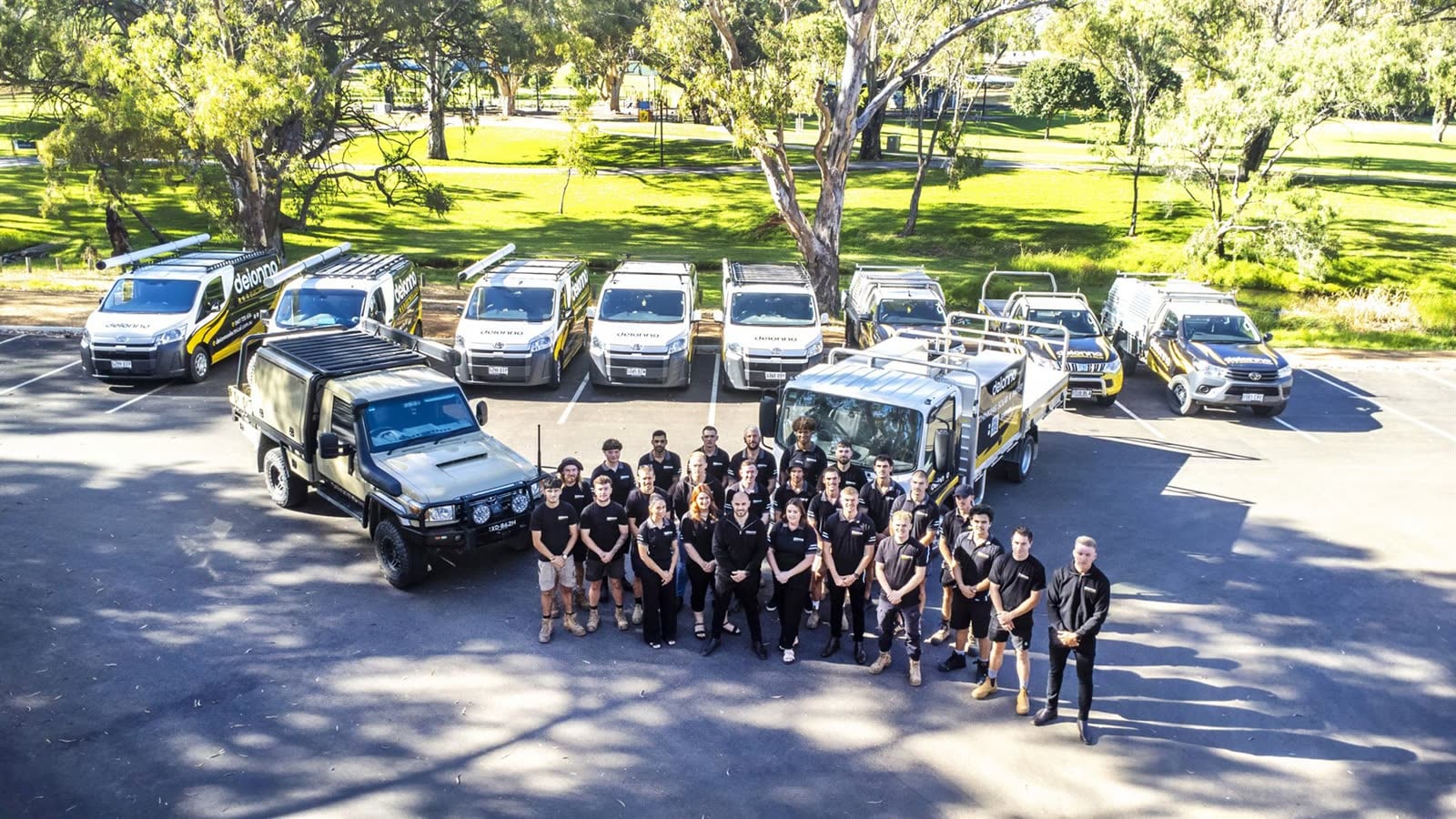
Book a free 60-minute on-site assessment with one of our licensed electricians.
Free 60-minute on-site solar and battery assessment. No obligation.

$0 power bill guarantee
Arrange your free 60 minute on-site Solar & Battery Assessment in 30 seconds!
Which state is your home in?
Do you own your home?
Unfortunately, we only work with homeowners
If you are considering solar for a new home, or on behalf of someone else, select "I own my home"
We only work with homeowners
A solar or battery system is a permanent change to the property, so it needs to be arranged by the person who owns the home.
If you tapped that by mistake, head back and we'll pick up where you left off.
What are you looking for?
Our team can talk you through all options if you're not sure.
What appeals to you most?
You'll get all of these. We'd just like to know what matters most.
How much is your quarterly electricity bill?
The average Adelaide home spends $500 - $1000 per quarter. Not sure of yours? Take your best guess, we'll go through the real numbers at your assessment.
Whatever it is today, our goal is $0. If we don't get you there, we'll pay your bill.
How soon are you looking to get a system installed?
We can work with you on a longer timeline, or get you saving as soon as possible.
What is your address?
We have hundreds of happy customers across South Australia. We need your address to check we service your area and to look at your roof before we visit.
Great news, we service your area!
Anything else to share?
Every system we design is tailored to the home, so the more info the better! (Optional)
How should we get in touch with you?
Last step. We'll call to arrange your free on-site assessment at a time that suits you. No pressure and no obligation.
Request sent, we'll be in touch!
Do you want to skip the queue?
Call to speak directly with a solar specialist during business hours, and we can get your free on-site assessment booked in straight away.
📞What happens next?
- 1We'll give you a call
If you haven't called already, we'll give you a call to say hello.
- 2Discuss your needs and goals
We'll chat about what you're looking for, how we can help, and book in a time for your on-site assessment that suits you.
- 3Your free on-site assessment
We visit your home for 45 to 60 minutes to measure up the roof, check the switchboard and review how you use power.
- 4We send your detailed quote
A tailored proposal with the system design, the savings and the pricing laid out in full.
- 5We design and install
If you're happy with the proposal, our in-house team installs it and shows you how it all works.
 4.9Google · 530+ reviews
 4.8SolarQuotes reviews