
Top Solar Panels in Australia
There are hundreds of solar panels sold in Australia, and on paper many of them look almost identical.
There are hundreds of solar panels sold in Australia, and on paper many of them look almost identical. The honest truth is that the panel is only part of what you are buying. What separates a top solar panel from an average one is a combination of cell technology, real-world efficiency, how well it holds up to heat and humidity, and whether the company behind it will still be around to honour a twenty-five year warranty. This guide explains what actually makes a solar panel good, then covers the brands worth putting on a roof and why they earn the recommendation.
What “top tier” actually means
It is easy to be dazzled by a single headline number. A good buying decision looks at several things together.
Cell technology
The biggest shift in solar over recent years has been the move from older P-type cells to newer N-type cells. Almost all premium panels now use N-type technology, most commonly TOPCon, with some manufacturers using heterojunction, or HJT, and others using back-contact designs. N-type cells convert slightly more sunlight into electricity, degrade more slowly over their life, and perform better in heat, which matters a great deal in the Australian climate. When you compare panels, the cell type tells you a lot about which generation of technology you are buying.
Efficiency
Efficiency is the percentage of sunlight a panel turns into usable electricity. The top residential panels now sit comfortably above twenty-two percent. Higher efficiency means more power from the same roof area, which is valuable when roof space is limited. If you have plenty of room, a slightly less efficient panel can still be the better value choice, so efficiency matters most when space is tight.
Temperature coefficient
Solar panels lose output as they get hot, and Australian roofs get very hot. The temperature coefficient tells you how much power a panel loses for every degree above its test temperature. A smaller number is better. On a forty-degree summer day this single specification can make a real difference to how much energy two otherwise similar panels actually produce, which is why it deserves more attention than it usually gets.
Degradation and warranty
Every panel slowly loses output over time. Quality panels now degrade very little in the first year and then lose only a fraction of a percent annually, so a good panel still produces well over eighty-five percent of its original output after twenty-five years. Just as important is the warranty behind that promise, and whether the manufacturer has the financial strength and Australian presence to honour it decades from now. The Clean Energy Council maintains a list of approved solar modules that meet Australian standards, and buying from that list is a sensible baseline. A warranty is only ever as good as the company standing behind it.
Buying through an accredited installer
The panel matters, but so does who installs it. To qualify for the federal rebate, a system must be designed and installed by an accredited professional, and accreditation in Australia is now managed by Solar Accreditation Australia. A top panel fitted poorly will underperform and may void its own warranty, so the installer is part of the product.
The panels we install
We keep our range deliberately tight. Rather than stock a sprawling catalogue, we fit three modules we trust in Australian conditions, each backed by warranties that mean something here. They cover three priorities: everyday value, premium LONGi technology, and outright efficiency. They are not the only good panels on the market, but they are the ones we are comfortable putting our name behind.
LONGi Hi-MO X10 Explorer 475W
The Hi-MO X10 Explorer is our value workhorse and the panel most homes go with. It is built on LONGi’s HPBC 2.0 back-contact cells, which deliver high efficiency of around 24 percent and a low temperature coefficient of about 0.26 percent per degree, so it holds its output well in our heat. It is backed by a 25-year product warranty and a 30-year performance warranty, which makes it an easy panel to recommend for most Australian roofs.
LONGi EcoLife 475W
The EcoLife is our step-up LONGi option. It uses HIBC cells, which combine heterojunction and back-contact technology in LONGi’s most advanced design, for efficiency of around 25 percent and excellent performance in partial shade. It carries a 30-year product warranty and a 30-year performance warranty, making it a strong choice for buyers who want LONGi’s premium technology and the longest cover on the panel itself.
AIKO Neostar 485W
The Neostar is our premium efficiency pick. It runs N-type ABC, or All Back Contact, cells and sits among the highest-efficiency panels available anywhere, with strong heat tolerance and excellent partial-shade performance. It is backed by a 25-year product warranty and a 30-year performance warranty, with local Australian support behind it, so it suits buyers chasing maximum output from a limited or partially shaded roof.
Free 60-minute on-site assessment
A licensed electrician measures your roof and your bill. No phone quotes.
How to choose between them
With three strong options, the right choice comes down to your priorities and your roof. The Hi-MO X10 Explorer is our value pick and the one most homes land on, with high efficiency, excellent heat performance and long warranties at a sensible price. The EcoLife steps up to LONGi’s premium heterojunction back-contact technology, the best shading performance of the three and a full 30-year product warranty.
The AIKO Neostar is the efficiency play, built for buyers who want the most power possible from a limited or partially shaded roof. Roof space, budget, how long you plan to stay in the home, and whether you are adding a battery all shape the decision. A larger roof with a tighter budget points toward the Explorer, while a small or shaded roof rewards stepping up to the EcoLife or the Neostar. The best way to decide is to compare the actual specifications side by side rather than the marketing, and to get advice from an installer who fits these panels every day and has seen how they perform years after installation.
The bottom line
The top solar panels in Australia share the same fundamentals: N-type cell technology, high efficiency, a low temperature coefficient for our climate, slow degradation, and a manufacturer with the strength to honour a long warranty. LONGi and AIKO both meet that bar, which is why Deionno installs them. The right one for you depends on your roof, your budget and your goals, and the surest way to get it right is to pair a quality panel with an accredited installer who will design the system around your home and stand behind the result.
Frequently asked questions
What does N-type mean on a solar panel, and does it matter?
N-type is the newer cell technology, most commonly TOPCon, with some makers using heterojunction or back-contact designs. Almost all premium panels use it.
N-type cells convert slightly more sunlight into electricity, degrade more slowly and perform better in heat, which matters a great deal in the Australian climate.
How much output does a good panel still have after 25 years?
Every panel loses output over time, but quality panels lose very little in the first year and then only a fraction of a percent annually.
A good one still produces well over 85 percent of its original output after 25 years. The warranty only counts if the manufacturer has the strength and Australian presence to honour it.
Which panel suits a small or shaded roof?
When roof space is tight, efficiency matters most. The LONGi EcoLife has around 25 percent efficiency and does well in partial shade.
The AIKO Neostar is our pick for maximum output from a limited or shaded roof. A larger roof with a tighter budget points toward the LONGi Hi-MO X10 Explorer.
Does it matter who installs the panels?
Yes. To qualify for the federal rebate, a system must be designed and installed by an accredited professional, and accreditation is managed by Solar Accreditation Australia.
A top panel fitted poorly will underperform and may void its own warranty. Call 1800 610 165 for a free on-site assessment.
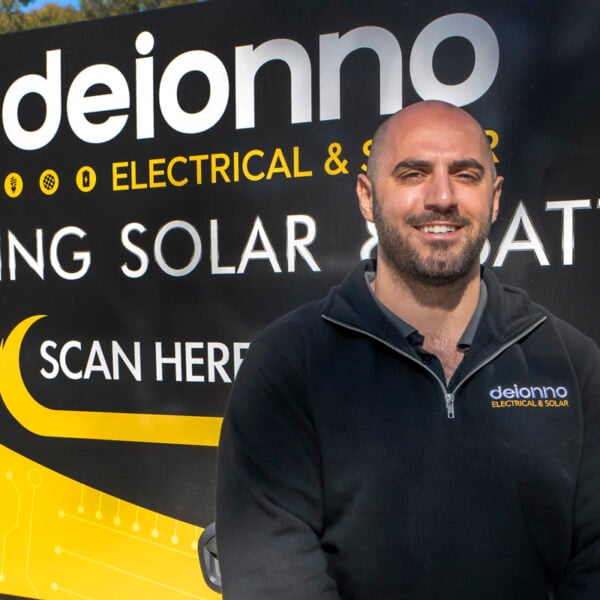 Written by
Joe Deionno
Started in 2017 after years of subcontracting and seeing the dodgy operators at work; set out to be the installer people could trust. Oversees every install in both states.
Related guides
More solar installation guides from our electricians.
Swipe to see more
A Guide to Going Off-Grid With Solar
Going off-grid with solar means running your home entirely on power you generate and store yourself, with no connection to the mains electricity network.
Read more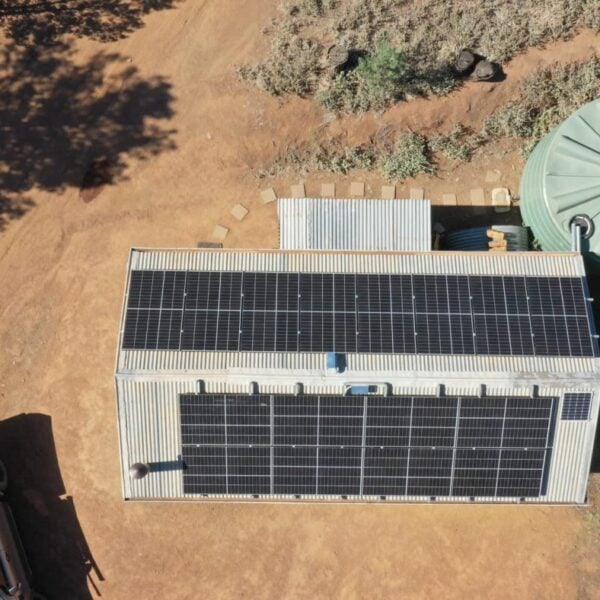
Key Insights on Off-Grid Solar System Installation in Adelaide
Embarking on the journey towards energy self-sufficiency through off-grid solar system installation is a rewarding decision that can offer both economic and environmental benefits.
Read more
Top 7 Reasons to Choose Commercial Solar Electrician Services in Adelaide
Switching to solar energy is a savvy move for businesses aiming to cut costs and boost efficiency.
Read moreServices this guide relates to
Ready to start?
Book a free 60-minute on-site assessment with one of our licensed electricians.
Free 60-minute on-site solar and battery assessment. No obligation.
$0 power bill guarantee
Arrange your free 60 minute on-site Solar & Battery Assessment in 30 seconds!
Which state is your home in?
Do you own your home?
Unfortunately, we only work with homeowners
If you are considering solar for a new home, or on behalf of someone else, select "I own my home"
We only work with homeowners
A solar or battery system is a permanent change to the property, so it needs to be arranged by the person who owns the home.
If you tapped that by mistake, head back and we'll pick up where you left off.
What are you looking for?
Our team can talk you through all options if you're not sure.
What appeals to you most?
You'll get all of these. We'd just like to know what matters most.
How much is your quarterly electricity bill?
The average Adelaide home spends $500 - $1000 per quarter. Not sure of yours? Take your best guess, we'll go through the real numbers at your assessment.
Whatever it is today, our goal is $0. If we don't get you there, we'll pay your bill.
How soon are you looking to get a system installed?
We can work with you on a longer timeline, or get you saving as soon as possible.
What is your address?
We have hundreds of happy customers across South Australia. We need your address to check we service your area and to look at your roof before we visit.
Great news, we service your area!
Anything else to share?
Every system we design is tailored to the home, so the more info the better! (Optional)
How should we get in touch with you?
Last step. We'll call to arrange your free on-site assessment at a time that suits you. No pressure and no obligation.
Request sent, we'll be in touch!
Do you want to skip the queue?
Call to speak directly with a solar specialist during business hours, and we can get your free on-site assessment booked in straight away.
📞What happens next?
- 1We'll give you a call
If you haven't called already, we'll give you a call to say hello.
- 2Discuss your needs and goals
We'll chat about what you're looking for, how we can help, and book in a time for your on-site assessment that suits you.
- 3Your free on-site assessment
We visit your home for 45 to 60 minutes to measure up the roof, check the switchboard and review how you use power.
- 4We send your detailed quote
A tailored proposal with the system design, the savings and the pricing laid out in full.
- 5We design and install
If you're happy with the proposal, our in-house team installs it and shows you how it all works.
 4.9Google · 530+ reviews
 4.8SolarQuotes reviews