
Are Solar Panels Worth Installing in Adelaide? Here’s the Real Answer
Power bills in Adelaide keep climbing, and renewable energy isn’t just a buzzword anymore, it’s a smart move.
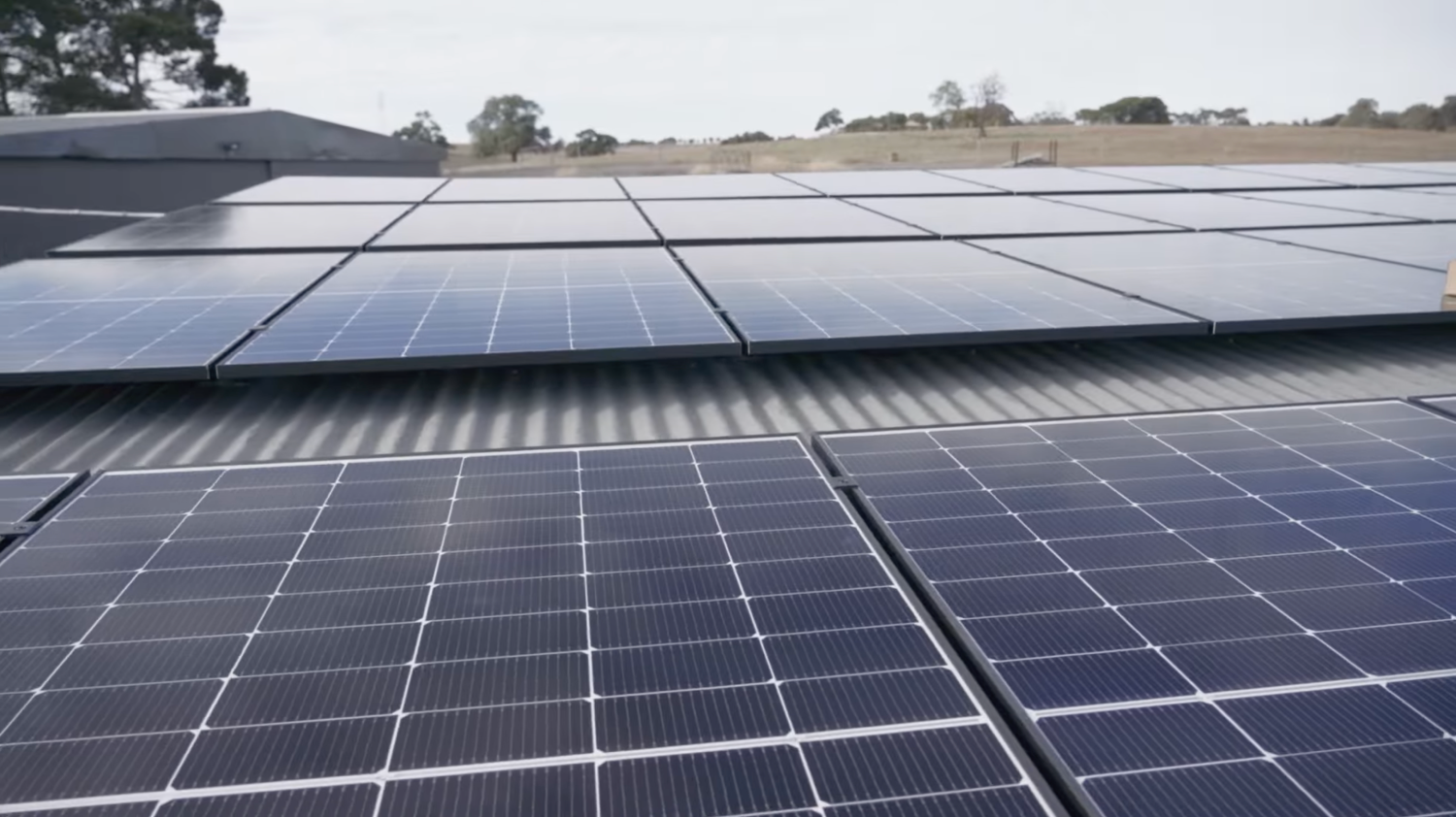
Power bills in Adelaide keep climbing, and renewable energy isn’t just a buzzword anymore, it’s a smart move. So the question most people ask is simple: are solar panels worth installing? The short answer: yes, for many homes and businesses, they can be. But the real answer depends on how much electricity you use, when you use it, and what system you install.
In this guide, we’ll unpack the financial, technical, and real-world aspects of solar power in South Australia so you can decide whether solar is right for your home or business.
Understanding What “Worth Installing” Really Means
When people ask whether solar panels are worth installing, they’re really asking if the long-term return outweighs the upfront cost. The average residential solar panel system in Adelaide pays itself off in around four to seven years, depending on electricity consumption, panel quality, and whether you include battery storage. After that, you’re generating near-free electricity for 15–20 years.
For commercial properties, the payoff can be even quicker. Businesses that operate during the day use the bulk of their generated energy directly, avoiding high daytime tariffs. In those cases, commercial solar panels are worth installing not just for savings but for predictable operating costs and energy independence.
Adelaide’s Ideal Solar Conditions
Adelaide is one of Australia’s best-performing cities for solar production. The region receives an average of over 4.5 peak sun hours per day, which means solar panels produce significant energy throughout the year. Combine that with some of the nation’s highest grid electricity rates, and it’s clear why so many homeowners and business owners are asking: are solar panels worth installing in Adelaide?
Even with modest feed-in tariffs (the amount you’re paid for exporting excess power back to the grid), most Adelaide systems generate their best returns through self-consumption, using the power you produce on-site. That’s why storage options like solar batteries are becoming increasingly popular, giving property owners even greater control over when they use their electricity.
Financial Perspective: Upfront Costs and Payback
To assess whether solar panels are worth installing, it helps to look at actual numbers. A typical 6.6 kW solar system in Adelaide costs between $5,000 and $8,000 after Small-scale Technology Certificate (STC) rebates. Based on average energy use, the system can save between $1,200 and $2,000 annually.
For commercial properties with higher usage and roof space, larger systems see even stronger returns. Most businesses achieve payback within three to five years. After that, every kilowatt generated is direct profit.
Of course, the best results depend on proper design and installation. Poorly positioned panels, outdated inverters, or low-grade components can stretch the payback period, which is why working with an accredited installer matters.
Free 60-minute on-site assessment
A licensed electrician measures your roof and your bill. No phone quotes.
Residential vs. Commercial: Comparing the Benefits
For homeowners, solar is a way to gain independence from rising power bills. The question “are solar panels worth installing” becomes clearer when you see the savings add up month after month. It’s not only about cost reduction either, homes with quality solar systems typically see an increase in property value, as buyers are drawn to energy-efficient features.
For business owners, the benefits extend beyond energy savings. Solar power can help stabilise operational expenses, improve sustainability credentials, and demonstrate environmental responsibility to clients and investors. Many Adelaide companies now promote their solar setups as part of their brand story, a subtle yet powerful marketing advantage.
When Solar May Not Make Immediate Sense
While solar panels are worth installing for most Adelaide properties, there are exceptions. If your roof is heavily shaded, poorly angled, or structurally unsuitable, output may not justify the investment. Similarly, if your energy use occurs mostly at night and you don’t plan to install a battery, payback will take longer.
For commercial sites that lease rather than own their premises, installing solar can be trickier without a long-term agreement in place. In these cases, portable or shared systems might be worth exploring.
The key takeaway: solar makes the most sense when your daytime energy use aligns with production, and when installation is carried out by qualified professionals who understand South Australian standards.
Long-Term Value: More Than Just Savings
When you evaluate whether solar panels are worth installing, don’t stop at short-term payback. Consider the long-term benefits:
- Environmental gains: Every kilowatt generated from solar reduces your carbon footprint and supports Australia’s renewable energy targets.
- Energy security: With a battery system, you can keep operating during outages or peak tariff periods.
- Predictable costs: Lock in stable energy costs for decades, insulated from rising electricity prices.
- Property appeal: Homes and businesses with solar are increasingly desirable to buyers and tenants.
From a 20-year perspective, a quality solar system typically saves tens of thousands of dollars, making the case for is getting solar power worth it an easy “yes.”
How to Decide if Solar Is Right for You
If you’re still wondering is it worth getting solar panels for your Adelaide property, here’s how to make an informed decision:
- Analyse your energy use: Check how much power you consume during the day versus night.
- Inspect your roof: Consider its size, pitch, orientation, and shading.
- Request professional quotes: Compare reputable installers, warranties, and panel brands.
- Consider batteries: Storage can increase energy self-use by 60–80 per cent.
- Plan for the future: Anticipate electric vehicle charging or business expansion.
If these factors align, then yes, solar panels are worth installing both financially and functionally.
If you’re ready to see whether solar panels are worth installing for your Adelaide home or business, speak with our team at Deionno Electrical & Solar. We’ll assess your energy use, roof conditions, and long-term goals to help you decide is solar electricity worth it for your property. Get honest advice, transparent pricing, and expert installation designed to maximise your savings and performance.
Frequently asked questions
How long does it take to recover the cost of solar panels in Adelaide?
Most Adelaide households recover their investment within four to seven years, depending on usage and system design.
Are solar panels still worth it with lower feed-in tariffs?
Yes. The best value comes from using your own power rather than exporting excess to the grid.
Is it worth getting solar panels with a small roof?
It can be. Even compact systems can offset a significant portion of household energy use if designed properly.
Are solar panels worth installing for businesses?
Absolutely. Commercial properties often see faster payback due to higher daytime energy consumption.
What happens on cloudy days?
Panels still generate electricity, though at a reduced rate. Adelaide’s overall sunlight levels ensure consistent performance year-round.
Is getting solar power worth it if I rent my property?
Renters can’t usually install panels without owner approval, but landlords often benefit from solar installations through higher rental appeal.
 Written by
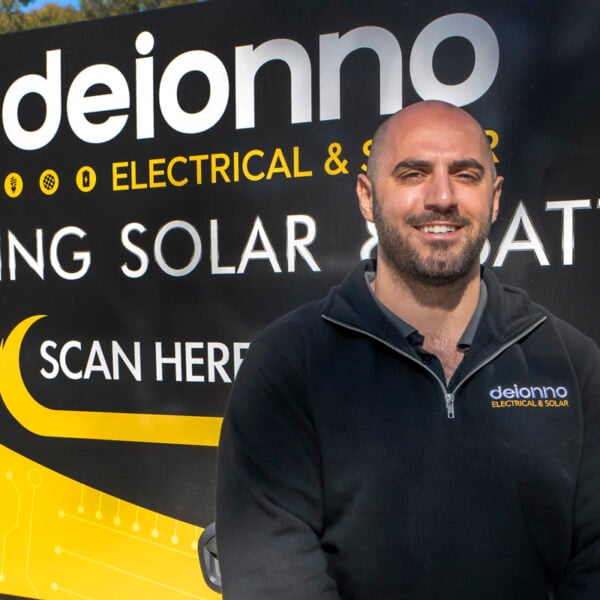
Joe Deionno
Started in 2017 after years of subcontracting and seeing the dodgy operators at work; set out to be the installer people could trust. Oversees every install in both states.
Related guides
More solar installation guides from our electricians.
Swipe to see more
A Guide to Going Off-Grid With Solar
Going off-grid with solar means running your home entirely on power you generate and store yourself, with no connection to the mains electricity network.
Read more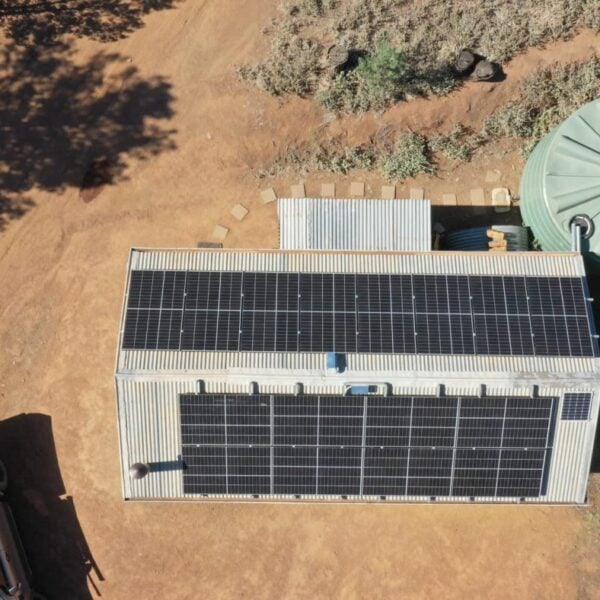
Key Insights on Off-Grid Solar System Installation in Adelaide
Embarking on the journey towards energy self-sufficiency through off-grid solar system installation is a rewarding decision that can offer both economic and environmental benefits.
Read more
Top 7 Reasons to Choose Commercial Solar Electrician Services in Adelaide
Switching to solar energy is a savvy move for businesses aiming to cut costs and boost efficiency.
Read moreServices this guide relates to
Ready to start?
Book a free 60-minute on-site assessment with one of our licensed electricians.
Free 60-minute on-site solar and battery assessment. No obligation.

$0 power bill guarantee
Arrange your free 60 minute on-site Solar & Battery Assessment in 30 seconds!
Which state is your home in?
Do you own your home?
Unfortunately, we only work with homeowners
If you are considering solar for a new home, or on behalf of someone else, select "I own my home"
We only work with homeowners
A solar or battery system is a permanent change to the property, so it needs to be arranged by the person who owns the home.
If you tapped that by mistake, head back and we'll pick up where you left off.
What are you looking for?
Our team can talk you through all options if you're not sure.
What appeals to you most?
You'll get all of these. We'd just like to know what matters most.
How much is your quarterly electricity bill?
The average Adelaide home spends $500 - $1000 per quarter. Not sure of yours? Take your best guess, we'll go through the real numbers at your assessment.
Whatever it is today, our goal is $0. If we don't get you there, we'll pay your bill.
How soon are you looking to get a system installed?
We can work with you on a longer timeline, or get you saving as soon as possible.
What is your address?
We have hundreds of happy customers across South Australia. We need your address to check we service your area and to look at your roof before we visit.
Great news, we service your area!
Anything else to share?
Every system we design is tailored to the home, so the more info the better! (Optional)
How should we get in touch with you?
Last step. We'll call to arrange your free on-site assessment at a time that suits you. No pressure and no obligation.
Request sent, we'll be in touch!
Do you want to skip the queue?
Call to speak directly with a solar specialist during business hours, and we can get your free on-site assessment booked in straight away.
📞What happens next?
- 1We'll give you a call
If you haven't called already, we'll give you a call to say hello.
- 2Discuss your needs and goals
We'll chat about what you're looking for, how we can help, and book in a time for your on-site assessment that suits you.
- 3Your free on-site assessment
We visit your home for 45 to 60 minutes to measure up the roof, check the switchboard and review how you use power.
- 4We send your detailed quote
A tailored proposal with the system design, the savings and the pricing laid out in full.
- 5We design and install
If you're happy with the proposal, our in-house team installs it and shows you how it all works.
 4.9Google · 530+ reviews
 4.8SolarQuotes reviews