
Are Solar Panels a Good Investment? Adelaide Homeowner’s Guide [2026]
A great number of Australian homes now use solar power, and Adelaide residents want to know if solar panels make sense for their homes.

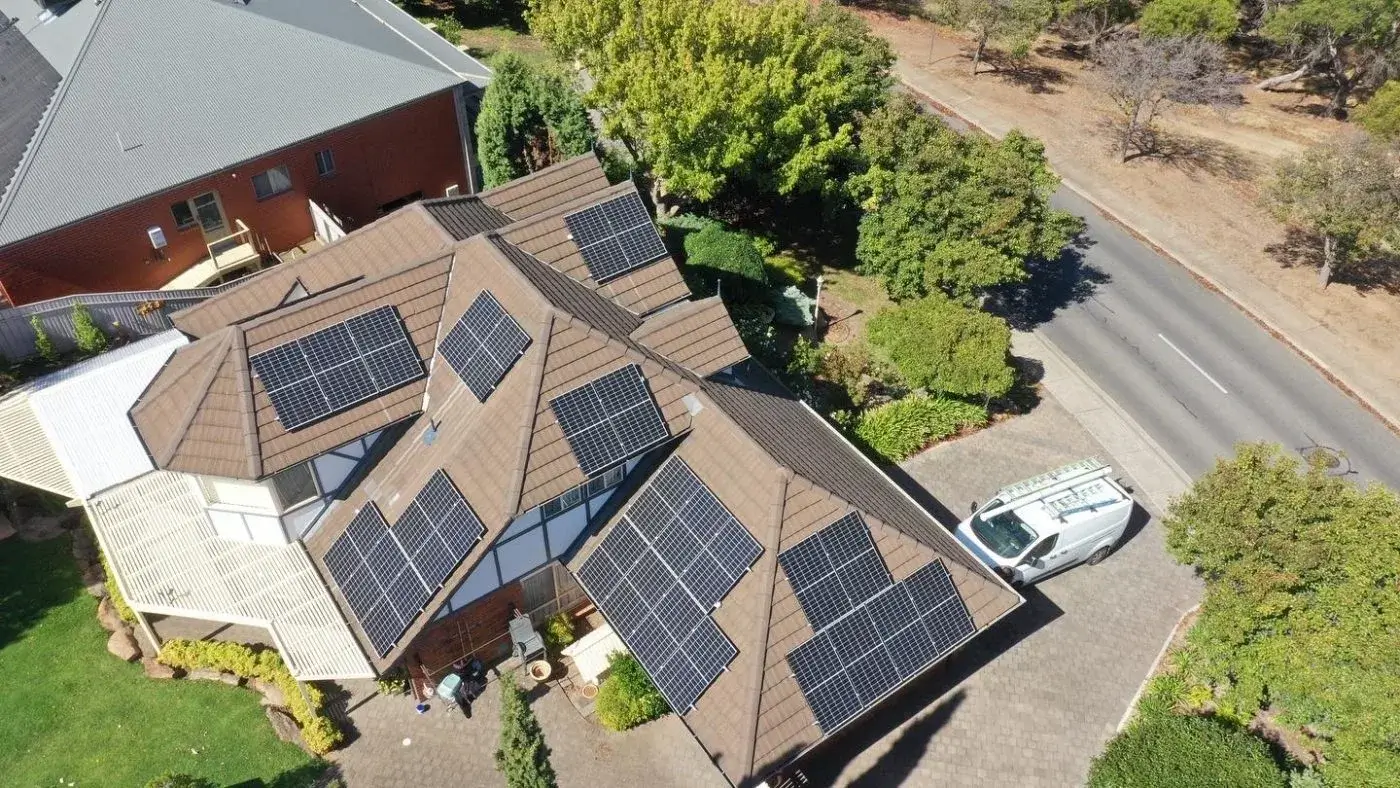
A great number of Australian homes now use solar power, and Adelaide residents want to know if solar panels make sense for their homes. Adelaide offers the perfect setting for solar energy. The city gets about 5.5 peak sun hours each day, which helps generate maximum electricity.
South Australia’s electricity prices rank among the nation’s highest, and this is a big deal as it means that costs exceed 50 cents per kilowatt hour based on Australian Energy Regulator data. Abundant sunshine paired with rising energy costs makes solar installation an attractive option. The numbers tell a compelling story about solar power’s worth.
Most Adelaide solar systems pay themselves off in 3 to 4 years, and homeowners enjoy free electricity for decades after. On top of that, government incentives help you reduce upfront costs by up to 30% of the system price. Solar rebate values continue to drop as 2026 draws near.
People who think over switching to solar should act quickly to get the most from their investment. This piece gets into everything Adelaide homeowners need to know about solar investment in 2026 – from rebates and payback periods to picking the right system and making it work best.
Understanding Solar Value in Adelaide
South Australia pioneers the global renewable energy transition, and rooftop solar plays a key role in this change. The state has reached impressive milestones that no other place in the world has achieved. Solar generation sometimes exceeds the entire region’s electricity needs during daylight hours.
Why Adelaide is ideal for solar
Adelaide offers perfect conditions for solar power generation that make it a natural fit for photovoltaic systems. The city gets plenty of sunshine year-round with clear skies and few clouds in summer. The sunlight hits Adelaide’s rooftops at just the right angle to maximise energy collection, especially in warmer months.
Adelaide’s location makes it even better for solar power. The moderate climate and mild seasonal changes compared to other Australian regions help solar panels work well throughout the year. South Australia moved faster toward renewable energy after its last coal station closed in 2016, which created strong support for solar adoption.
Adelaide homeowners know a good thing when they see it. About four in ten South Australian homes now have rooftop solar installations. This shows how much value people have found in their solar investments.
Electricity prices and solar potential
Adelaide residents face a unique situation in Australia’s energy scene. They pay more for retail electricity than most other regions, but these high costs make solar panels an even smarter choice. Solar economics in Adelaide have changed a lot over the last several years. Early solar users got great feed-in tariffs (payments for extra solar power sent to the grid). Now, the focus is on using the power you generate instead of sending it back to the grid. This happened because:
- Grid electricity costs keep going upworth
- Feed-in tariffs dropped
- You earn much less for exported solar than what you pay for electricity
Smart power usage still makes solar worthwhile, even with lower export rates. You can run washing machines, dishwashers, and pool pumps during sunny hours (late morning to mid-afternoon) and use free solar power instead of buying expensive grid electricity.
Is solar power worth it in 2026?
Solar installations in Adelaide still make good sense in 2026, though things work differently now. Government incentives are smaller, but cheaper equipment and better technology help balance this out. Adelaide homeowners thinking of solar panels should look beyond just money: The “avoided cost” principle works in your favour – every kilowatt-hour of solar power you use at home saves you from buying expensive grid power.
This alone saves you money, whatever the export rates. Higher electricity prices make generating your own power more valuable. As grid costs rise, solar becomes an even better investment.
Right-sized solar systems that match when you use power give the best results. Homes that use more power during the day or can time their usage with sunny hours benefit most. Battery storage with solar has become popular.
You can store daytime solar power for nighttime use instead of selling it cheaply to the grid. This lets you tap into solar benefits even after dark when you’d normally need grid power.
Government Rebates and Incentives Explained
Financial incentives play a significant role in making solar energy available to Adelaide homeowners. Government programs at the federal and local levels help reduce the original installation costs, which improves the return on investment for solar panels.
Federal STC rebate and how it works
The Small-scale Renewable Energy Scheme (SRES) serves as Australia’s main federal incentive for solar installations. This program uses Small-scale Technology Certificates (STCs) that work like renewable energy currency. Homeowners get these certificates based on their system’s expected energy generation until the scheme ends in December 2030. Homeowners will find the process straightforward. Your installer will typically:
- Calculate the total value of STCs for your specific installation
- Apply this amount as an upfront discount on your quote
- Handle all paperwork and certificate trading behind the scenes
This incentive’s value comes from its immediate reduction at purchase time instead of a rebate you claim later. Notwithstanding that, the incentive’s value drops slightly each year as the program phases out, which makes earlier adoption better. Systems must meet several requirements to qualify for this rebate. The requirements include Clean Energy Council-approved equipment, installation by accredited professionals, and system size within specific capacity limits.
Battery rebate eligibility and savings
The Cheaper Home Batteries Program, launched in July 2025, makes energy storage more affordable. This federal initiative gives substantial discounts on battery installations nationwide, including Adelaide. Batteries must meet these requirements:
- Listed on the Clean Energy Council’s approved product list
- Installed with either new or existing solar systems
- Capacity between specific limits
- Installation by properly accredited professionals with battery certification
Like solar panels, this battery incentive reduces costs upfront instead of offering a post-purchase rebate. The City of Adelaide’s battery storage rebate helps city residents, too, covering some installation costs up to a maximum amount.
Stacking multiple incentives for maximum benefit
Adelaide homeowners can maximise savings by combining multiple rebates. Different incentive programs work together, which creates a compounding effect that reduces overall system costs. To name just one example, Adelaide city residents can stack:
- The federal STC discount for solar panels
- The federal battery rebate for energy storage
- City of Adelaide solar panel rebate
- City of Adelaide battery storage incentive
Virtual Power Plant programs give additional ongoing benefits beyond installation rebates. These programs let battery owners earn income by sharing stored energy during peak demand periods while retaining control of their systems. The combination of these incentives makes 2026 an excellent time for Adelaide residents to think over whether solar panels would be a good investment for their specific situation.
Cost, Payback, and Long-Term Savings
Solar power is one of the biggest financial decisions Adelaide homeowners will make. Let’s look at how solar panels can give you good value for your money in the long run.
Average system costs in 2026
Solar installations in Adelaide are more affordable than ever before. System prices vary based on size – smaller setups (around three kilowatts) cost less, mid-sized systems suit average households with medium pricing, while larger installations come at premium rates. Your final investment amount depends on several factors. System quality makes a big difference – premium panels and inverters might cost more upfront, but they last longer and perform better. The type of roof and how easy it is to access can affect the price, too. The good news is that federal and local rebates can lower these costs by up to a third of the system price.
Typical payback periods in Adelaide
You’ll get your money back through bill savings based on:
- How much energy do you use daily
- Your system’s position and sunlight exposure
- The balance between self-use and grid export
- The quality and efficiency of your components
Adelaide homes see their solar investment pay off faster than most other home improvements. Quality systems usually pay for themselves within a few years. After that, you get free electricity for decades. Mid-sized systems often pay for themselves the fastest because they balance upfront costs and energy production perfectly. Larger systems take longer to pay off, but they end up generating more free electricity over time.
Lifetime savings vs upfront investment
The real value of solar panels becomes clear when you look at their entire lifespan. Quality solar equipment works reliably for decades, and manufacturers back this up with long performance warranties. Your panels keep generating electricity that you’d otherwise buy from the grid at retail prices.
This saved cost shows why solar gives you better returns than many other home improvements. Solar panels also boost your property’s value, which adds another financial benefit beyond saving on electricity bills. Buyers love homes with pre-installed systems because they know their living costs will be lower.
Rising energy prices make generating your own electricity more valuable as time goes by. Today’s solar investment becomes more worthwhile as grid electricity gets more expensive, while your solar power stays free.
Free 60-minute on-site assessment
A licensed electrician measures your roof and your bill. No phone quotes.
Maximising Returns Through Smart Usage
Smart usage patterns and system optimisation help homeowners get the most out of their solar panels financially. Your approach to using the system after installation determines if solar panels become a worthwhile investment.
Self-consumption vs feed-in tariffs
Solar economics works on a simple principle – using the electricity you generate instead of sending it back to the grid. Feed-in tariffs have dropped significantly in recent years, which makes self-consumption more valuable. A big gap exists between what you pay for grid electricity and what you earn from exports. Smart users can exploit this difference to their advantage. Self-consumption becomes the key strategy to maximise returns on your solar investment.
Using appliances during solar hours
The easiest way to boost self-consumption is to run power-hungry appliances when solar production peaks. Adelaide homes produce maximum solar power between 10am and 4pm in summer and 11am till 2pm in winter. Here’s what you can do:
- Set timers on washing machines, dishwashers, and pool pumps
- Cool or heat your home during solar-productive hours
- Charge electric vehicles in daylight
- Use slow cookers to prepare evening meals while the sun shines
Adding a battery for night-time use
Battery storage changes how you use solar energy by keeping extra power for evening use. This method increases self-consumption and protects against power outages. Batteries paired with monitoring systems help households stay energy independent during evening hours when power use typically peaks. Some battery systems let you join virtual power plants, which adds value beyond storage.
Monitoring tools to track savings
New solar installations come with monitoring features that show up-to-the-minute data about system performance. These tools track both generation and consumption patterns and help you find ways to optimise your system. Instead of guessing about performance, monitoring shows exactly when you produce and use energy. This helps you make better decisions about appliance usage and spot potential problems before they affect your returns.
Choosing the Right System and Installer
Your solar investment success in Adelaide depends on choosing the right equipment and a qualified installer. These early decisions will affect your system’s performance and satisfaction for years to come.
How to size your solar system
Your household’s energy usage patterns, roof space, and future energy needs should guide your system size. Mid-sized systems work best for most Adelaide homes. Larger families or homeowners planning to buy electric vehicles might need extra capacity. Before you decide, try tools like SunSPOT. They give you a full picture of your specific needs without any sales pressure.
What to ask your installer
You should ask potential installers these key questions:
- How long have they worked locally in Adelaide
- Do they use their own employees or subcontractors
- What warranty coverage comes with each component
- What support and monitoring do they offer after installation
- How they handle site inspections and customise solutions
Avoiding low-quality systems
Premium and budget systems are nowhere near the same in quality and reliability. Look for manufacturers that have Australian offices and proven success in Adelaide’s climate. System longevity determines if your solar panels are worth the investment, so don’t choose based on price alone.
Getting multiple quotes
Several comparable proposals will help you make smart decisions without feeling rushed or pressured.
Conclusion
Solar power is a smart investment for Adelaide homeowners. The city gets plenty of sunshine and has high electricity rates – perfect conditions to get the most from solar panels. With rebate values going down, it makes sense to switch to this renewable energy option sooner rather than later.
Homeowners need to look at their situation before going solar. The lifeblood of solar economics is self-consumption – you save more money by using the electricity you generate instead of sending it back to the grid. Running appliances during daylight hours will improve your investment returns.
Quality components and trusted installers will give your system lasting performance. You’ll get the best results by matching the system size to how much power your household uses. Adding battery storage lets you use your solar-generated electricity at night, too.
Right now is a great time for Adelaide residents to switch to solar energy, thanks to federal and local incentives. These rebates lower your original costs and boost your returns on investment. Solar panels give Adelaide homeowners more than just quick financial gains.
They protect you from rising electricity prices and boost your property value. You’ll also help South Australia’s impressive shift to renewable energy. Installing solar is both a smart money move and a step toward energy independence.
Ready to see what solar could save you? Here at Deionno Electrical & Solar, we can assess your home, design the right system, and show you exactly how much you could save. Get your free solar quote today or contact us for support.
Frequently asked questions
Q1. How long does it take for solar panels to pay for themselves in Adelaide?
Most solar systems in Adelaide pay for themselves within 3 to 4 years. After this payback period, homeowners can enjoy decades of essentially free electricity, making solar panels a great long-term investment. Q2. What government incentives are available for solar panel installation in Adelaide? Adelaide homeowners can benefit from multiple incentives, including the federal Small-scale Renewable Energy Scheme (SRES), which provides upfront discounts, and local rebates from the City of Adelaide for eligible residents. There are also incentives available for battery storage installations. Q3. How can I maximise the benefits of my solar panel system? To get the most out of your solar panels, focus on self-consumption by using high-energy appliances during peak solar production hours (typically 10am-4pm in summer). Consider adding battery storage for nighttime use and using monitoring tools to track your energy production and consumption. Q4. What should I consider when choosing a solar system and installer? When selecting a solar system, consider your household’s energy consumption, available roof space, and future energy needs. Choose a reputable installer with local experience and proper accreditations. Get multiple quotes and ask about warranties, post-installation support, and the quality of components used. Q5. Is it worth investing in solar panels in Adelaide in 2026? Yes, solar panels remain a good investment for Adelaide homeowners in 2026. With high electricity prices, abundant sunshine, and available government incentives, most systems provide significant long-term savings. However, as rebate values are decreasing, earlier adoption may be more beneficial to maximise investment potential.
 Written by
Joe Deionno
Started in 2017 after years of subcontracting and seeing the dodgy operators at work; set out to be the installer people could trust. Oversees every install in both states.
Related guides
More solar installation guides from our electricians.
Swipe to see more
A Guide to Going Off-Grid With Solar
Going off-grid with solar means running your home entirely on power you generate and store yourself, with no connection to the mains electricity network.
Read more
Key Insights on Off-Grid Solar System Installation in Adelaide
Embarking on the journey towards energy self-sufficiency through off-grid solar system installation is a rewarding decision that can offer both economic and environmental benefits.
Read more
Top 7 Reasons to Choose Commercial Solar Electrician Services in Adelaide
Switching to solar energy is a savvy move for businesses aiming to cut costs and boost efficiency.
Read moreServices this guide relates to
Ready to start?
Book a free 60-minute on-site assessment with one of our licensed electricians.
Free 60-minute on-site solar and battery assessment. No obligation.

$0 power bill guarantee
Arrange your free 60 minute on-site Solar & Battery Assessment in 30 seconds!
Which state is your home in?
Do you own your home?
Unfortunately, we only work with homeowners
If you are considering solar for a new home, or on behalf of someone else, select "I own my home"
We only work with homeowners
A solar or battery system is a permanent change to the property, so it needs to be arranged by the person who owns the home.
If you tapped that by mistake, head back and we'll pick up where you left off.
What are you looking for?
Our team can talk you through all options if you're not sure.
What appeals to you most?
You'll get all of these. We'd just like to know what matters most.
How much is your quarterly electricity bill?
The average Adelaide home spends $500 - $1000 per quarter. Not sure of yours? Take your best guess, we'll go through the real numbers at your assessment.
Whatever it is today, our goal is $0. If we don't get you there, we'll pay your bill.
How soon are you looking to get a system installed?
We can work with you on a longer timeline, or get you saving as soon as possible.
What is your address?
We have hundreds of happy customers across South Australia. We need your address to check we service your area and to look at your roof before we visit.
Great news, we service your area!
Anything else to share?
Every system we design is tailored to the home, so the more info the better! (Optional)
How should we get in touch with you?
Last step. We'll call to arrange your free on-site assessment at a time that suits you. No pressure and no obligation.
Request sent, we'll be in touch!
Do you want to skip the queue?
Call to speak directly with a solar specialist during business hours, and we can get your free on-site assessment booked in straight away.
📞What happens next?
- 1We'll give you a call
If you haven't called already, we'll give you a call to say hello.
- 2Discuss your needs and goals
We'll chat about what you're looking for, how we can help, and book in a time for your on-site assessment that suits you.
- 3Your free on-site assessment
We visit your home for 45 to 60 minutes to measure up the roof, check the switchboard and review how you use power.
- 4We send your detailed quote
A tailored proposal with the system design, the savings and the pricing laid out in full.
- 5We design and install
If you're happy with the proposal, our in-house team installs it and shows you how it all works.
 4.9Google · 530+ reviews
 4.8SolarQuotes reviews