
A Guide to The Cheaper Home Batteries Program
Australia currently tops the world in rooftop solar adoption, yet battery storage remains in less than 3% of solar-equipped homes.
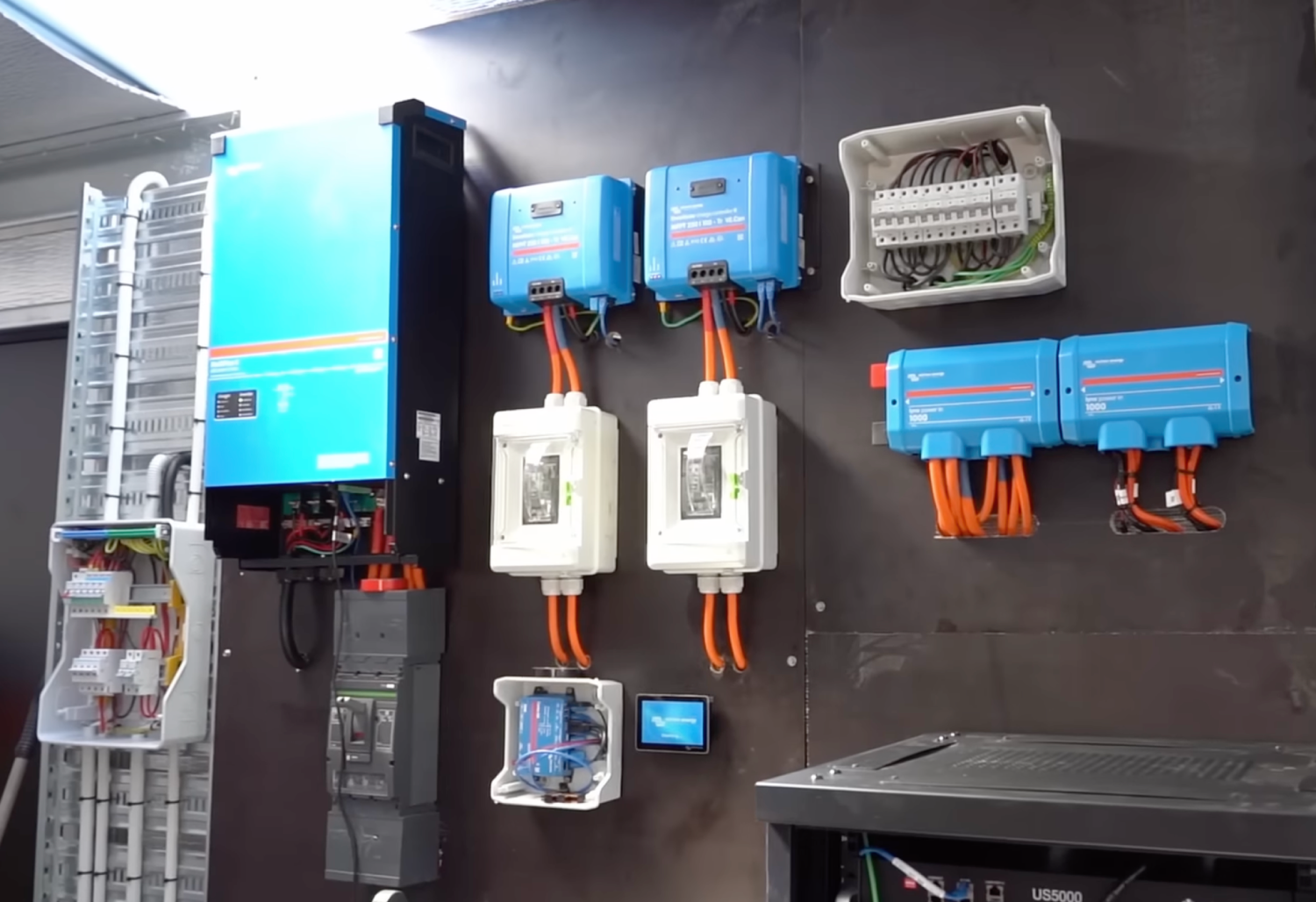
Australia currently tops the world in rooftop solar adoption, yet battery storage remains in less than 3% of solar-equipped homes. This gap creates a huge chance for Australian homeowners. The Cheaper Home Batteries Program has started to alter the map faster.
Homeowners can now get major upfront discounts on home battery systems and installation. Energy independence has become more available than ever before. The government solar battery rebate has sparked a notable increase in adoption rates nationwide since its launch.
Homeowners now store excess solar energy rather than sending it back to the grid. This gives them better control over their electricity usage and reduces their dependence on traditional power sources. This piece covers everything about the solar battery rebate program.
You’ll learn about eligibility requirements, application processes, potential savings, and what to think about during installation. Understanding these incentives will help you make smart choices about your energy future, whether you want to add storage to your existing solar setup or plan a complete system.
What Is the Cheaper Home Batteries Program?
The Cheaper Home Batteries Program marks a major step forward in Australia’s renewable energy world. This federal initiative gives big discounts on small-scale battery systems that connect to solar installations nationwide.
How it fits into the Small-scale Renewable Energy Scheme
The program works as an extension of the successful Small-scale Renewable Energy Scheme (SRES). The government added battery support to this proven system instead of creating new rules. This approach makes use of a system that has helped boost rooftop solar across Australia. The Cheaper Home Batteries Program shares these features with SRES:
- Small-scale Technology Certificates (STCs) to determine rebate amounts
- Accreditation requirements for installers
- Product approval through the Clean Energy Council
- Standardised consumer protections and compliance mechanisms
The Clean Energy Regulator runs the program while the government pays for the discount. This setup will give households real savings since energy retailers can’t pass on extra costs.
Who the program is designed for
The Cheaper Home Batteries Program welcomes many participants. This solar battery rebate is more open than other incentives. It’s available to:
- Australian households that want to get more from their solar investment
- Small businesses looking to cut energy costs
- Community organisations that want better energy self-sufficiency
The government solar battery rebate works for new installations and upgrades to existing solar systems. People can join at any point in their renewable energy trip. Battery systems can range from small to large, though bigger systems might not get the full rebate. Batteries must connect to a solar photovoltaic system – either new or existing – to qualify for the home battery rebate.
Why did the government introduce it?
The Australian government started this program with clear goals. High upfront costs stopped many people from buying batteries. The government solar rebate makes this technology more affordable for Australians who want long-term savings. The program helps achieve broader energy goals:
- Better balance of electricity supply and demand across the grid
- Support for Australia’s shift to renewable energy
- Better value from existing rooftop solar investments
- More energy resilience for households and communities
Australia leads the world in rooftop solar adoption. All the same, not many people bought batteries despite their clear benefits. The Cheaper Home Batteries Program aims to change this pattern. More household batteries mean a more stable electrical grid. People can use stored energy when demand peaks. This reduces system strain and could lower costs for all electricity users over time – even those without solar panels.
How Much Can You Save With the Solar Battery Rebate?
The Cheaper Home Batteries Program’s financial benefits make energy storage technology available to Australian households. The government funds substantial discounts that cut the upfront cost of battery installations.
Rebate per kWh and how it’s calculated
The solar battery rebate works through Small-scale Technology Certificates (STCs). These virtual tokens determine your discount based on your battery’s usable capacity. The calculation depends on several key factors:
- An STC factor (a multiplier that decreases as the program continues)
- Your battery’s usable capacity in kilowatt-hours
- The current market value of STCs
Your battery’s usable capacity is the foundation of this calculation. A larger storage capacity generates more certificates for your system. The government solar rebate then uses the current STC factor to determine your certificate allocation. Your installer claims these certificates on your behalf during the sale. That’s why you see the discount as an immediate price reduction instead of claiming a rebate later.
Tiered rebate structure explained
The home battery rebate used to offer equal support for all eligible battery capacities. Starting May 2026, a new tiered structure will create different support levels based on battery size:
- Full rebate value for the first portion of battery capacity
- A moderate percentage of a full rebate for the middle range
- A smaller fraction of the full rebate for the upper range
This approach lets the government solar battery rebate support more installations while keeping appropriate incentive levels for typical household needs. Average homes with smaller systems get higher proportional support, while larger systems receive graduated support.
How the rebate changes over time
The Cheaper Home Batteries Program follows a planned schedule of decreasing support. This gradual reduction reflects two realities:
- Battery technology will naturally become cheaper
- Early adopters pay higher prices and take more risks with state-of-the-art technology
The program stays dedicated to offering about a third off the upfront cost throughout its run. The specific rebate amounts adjust as market prices change. This gives fair support to homeowners at whatever time they choose to invest.
Example savings for different battery sizes
The government solar rebate’s financial benefits vary based on your chosen system size: Small household systems: These basic batteries get the most proportional support under the program. Even after May 2026, they’ll receive the full rebate rate for their entire capacity. This makes them budget-friendly for many households.
Medium-sized systems: These options will see partial reductions in rebate value for some capacity portions after May 2026. They still offer great value, especially for homes with moderate energy needs. Larger capacity systems: These systems will see the biggest proportional reduction in rebate value under the tiered structure.
The first portion still gets full support, with decreasing benefits for additional capacity. The solar battery rebate is just one part of the overall value equation. Your household energy use, solar generation capacity, and local electricity rates matter just as much when you think about the complete financial picture of battery storage.
Eligibility Criteria for the Government Solar Battery Rebate
The Cheaper Home Batteries Program offers solar battery rebates to applicants who meet specific requirements. A clear understanding of these eligibility criteria will help your application move forward smoothly.
Battery size and product requirements
Your system needs to meet several key criteria to qualify for the government solar battery rebate:
- The battery must have sufficient capacity (neither too small nor excessively large)
- Only the first portion of usable capacity qualifies for the full rebate amount
- Batteries must be brand new, not second-hand or refurbished
- The product must appear on the Clean Energy Council (CEC) approved list
- Batteries must be permanently installed fixtures (portable units don’t qualify)
- Electric vehicle batteries and charging systems aren’t eligible
- The battery must be paired with either a new or existing solar PV system
Homeowners can use modular or stackable battery systems as long as their combined capacity meets the minimum threshold. This gives you the flexibility to build systems that match your energy needs perfectly.
Installer and system compliance
The government solar rebate has strict installation standards to protect safety and performance:
- Installation must be performed by an accredited professional from Solar Accreditation Australia (SAA)
- Direct onsite supervision is mandatory throughout the installation process
- A valid Certificate of Electrical Safety or equivalent must be issued after completion
- All work must comply with relevant state and territory electrical safety regulations
These requirements help protect consumers and maintain consistent standards for all installations under the Cheaper Home Batteries Program.
Rules for upgrades and multiple properties
The home battery rebate has specific guidelines for system expansions and multiple installations:
- Each household can claim the solar battery rebate only once
- Existing battery systems can be expanded if they haven’t previously received the rebate
- Additional capacity must satisfy the minimum requirements when upgrading
- Properties with separate electricity meters may qualify individually
- Separate dwellings on the same property (like granny flats) might qualify separately under certain conditions
You can still upgrade your system after the original installation, but you won’t be eligible for additional rebates.
Grid-connected vs off-grid systems
Your connection status determines specific requirements:
- Grid-connected batteries must be Virtual Power Plant (VPP) capable
- Off-grid installations face no VPP requirement
- Both types qualify for the government solar battery rebate
- The inverter must meet compatibility requirements for your connection type
- Off-grid systems must still connect to a solar PV installation
This setup allows the program to support Australian households in a variety of situations while working toward broader energy goals. Most Australian households with solar capacity can tap into the benefits of the Cheaper Home Batteries Program by following these qualification guidelines.
How to Apply for the Home Battery Rebate
The solar battery rebate process is straightforward. Homeowners can complete it without dealing directly with the government. This practical system makes the Cheaper Home Batteries Program available to anyone who wants to improve their energy independence.
Steps to get a quote and choose a system
You’ll need to learn what battery system fits your household’s needs best. Think about your daily electricity use, current solar setup, and inverter capacity. Note that bigger isn’t always better. The right-sized system benefits both your home and the electrical grid. Specifically, you should:
- Contact multiple accredited retailers and installers to compare offerings
- Verify the installer holds proper accreditation from Solar Accreditation Australia
- Confirm the battery appears on the Clean Energy Council’s approved product list
- Ask about warranty details and expected performance
Talk to family members, friends, or neighbours who have battery systems installed. Their real experiences are a great way to get information beyond what retailers might tell you.
How the rebate is applied at the point of sale
Most consumers never need to deal directly with the government for their solar battery rebate. The program offers two main ways to get your discount: Accredited installers or retailers handle all the paperwork for you. These professionals apply the discount upfront on your invoice or give you a rebate after installation. Most households find this the easiest path. Some homeowners claim the discount directly through the REC Registry by creating and trading Small-scale Technology Certificates themselves. This approach requires you not assign STC creation rights to your installer or retailer.
What documents to keep after installation
Your battery system’s documentation becomes crucial after installation. Many homeowners skip this step and regret it later. Keep these items safe:
- All email correspondence with retailers and installers
- Original quotes and final invoices showing the applied discount
- The electrical certificate of compliance or equivalent safety documentation
- Written statements from the retailer, designer, and installer confirming system safety and compliance
- Warranty documentation and performance guarantees
These records do more than just fill your filing cabinet. They protect your interests if questions come up about rebate eligibility or system performance. Complete documentation makes future dealings about your installation much easier.
What to Know Before Installing a Battery System
Homeowners should consider several critical factors that affect their long-term satisfaction before they install a battery system.
Choosing the right battery size
The perfect battery capacity for your home works just like the “Goldilocks” story – you need one that’s just right. A battery that’s too small might run out quickly during peak times, and you’ll end up using expensive grid power. A system that’s too big will cost more money upfront than you won’t get back. Here’s what you need to think over when picking your battery size:
- Your evening and overnight energy consumption patterns
- Existing solar panel capacity and typical generation
- Future needs (electric vehicles, home expansions)
- Knowing how to charge fully during the winter months
Understanding payback period and ROI
Battery systems’ return on investment changes based on where you live and your household’s needs. Solar batteries take longer to pay for themselves compared to solar panels. Many homeowners value backup power during outages and energy independence beyond just financial returns.
Timing your installation for maximum rebate
You’ll get better financial terms if you install your system earlier under the solar battery rebate. The government rebate gets smaller over time, with bigger drops starting in May 2026. Many people wait for technology prices to drop, but that’s often not worth it since smaller rebates cancel out these savings.
Combining with state-level incentives
The federal program works even better with additional state incentives. Western Australia, South Australia, New South Wales, and Victoria are great places to get extra benefits. You’ll often need to join a Virtual Power Plant to access these state-level perks, but this can create extra income streams too.
Conclusion
The Cheaper Home Batteries Program marks a major step forward for Australian homeowners who want to get the most from their solar investment. This piece explores how this federal initiative offers an easier path to energy independence through big upfront discounts. Getting your system qualified for the government solar battery rebate depends on meeting key eligibility requirements.
Your batteries must link to new or existing solar installations, follow specific capacity rules, and be listed on the Clean Energy Council’s approved products. A certified professional must handle the installation to ensure safety and compliance. The solar battery rebate works right at the point of sale, with no complex paperwork needed.
Homeowners can then focus on picking the right system size that matches their power needs instead of dealing with red tape. Different households can benefit from the tiered rebate structure based on their needs. Early adopters usually get better deals as rebate values drop over time.
The timing of your purchase plays a key role in maximising your savings. Homeowners should consider several factors before installation. These include the right battery size, expected payback time, and possible state-level incentives.
Keeping detailed records after installation will protect your investment and make it easier to ask questions about your system later. The program fills a crucial gap between Australia’s world-leading solar adoption rates and its low battery storage numbers. Homeowners now have a unique chance to store extra solar energy instead of sending it back to the grid.
This change gives them better control of their electricity use and helps build a more stable and green energy network nationwide. Ready to take control of your energy future? Here at Deionno Electrical & Solar, we can design and install a battery system that maximises your solar savings and makes the most of the Cheaper Home Batteries Program. Get your free, no-obligation quote today!
Frequently asked questions
Q1. How does the Cheaper Home Batteries Program benefit Australian households?
The program offers approximately a 30% discount on the upfront cost of installing a small-scale solar battery system. This rebate is based on the battery’s usable capacity and aims to make energy storage more accessible for households and small businesses. Q2. What are the key eligibility requirements for the solar battery rebate? To qualify, the battery must be new, CEC-approved, and connected to a solar PV system. It must be installed by an accredited professional, comply with safety regulations, and meet specific capacity guidelines. The system should also be VPP-capable for grid-connected installations. Q3. How much can I save annually with a home battery system? Annual savings vary depending on energy consumption patterns and electricity rates. Most households can expect to save between AUD 750 and AUD 3,000 per year. However, individual results may differ based on specific circumstances and system efficiency. Q4. How does a home battery system work with solar panels? A home battery system stores surplus energy generated by solar panels during the day. This stored energy can then be used during periods when the sun isn’t shining, such as at night or on cloudy days, providing continuous electricity and reducing reliance on the grid. Q5. Is it better to install a battery system sooner rather than later? Yes, installing a battery system earlier is generally more advantageous. The rebate value decreases gradually over time, with steeper reductions beginning in May 2026. While battery technology costs may fall, the reduction in rebate value typically offsets these savings, making earlier adoption more financially beneficial.
How does the rebate change from May 2026?
A tiered structure starts in May 2026: full rebate value for the first portion of battery capacity, a moderate percentage for the middle range and a smaller fraction for the upper range.
Small systems keep the full rate for their whole capacity, while larger ones see the biggest proportional drop. The article says installing earlier gets you better terms.
What does a battery need to qualify for the rebate?
It must be brand new, permanently installed and on the Clean Energy Council approved list, and connected to a new or existing solar system. Portable units and electric vehicle batteries do not qualify.
An accredited installer must do the work under direct onsite supervision, and a Certificate of Electrical Safety or equivalent must be issued.
Do I have to apply for the rebate myself?
Most people never deal with the government. An accredited installer handles the paperwork and applies the discount on your invoice, or gives you a rebate after installation.
You can instead claim through the REC Registry yourself, but only if you do not assign STC creation rights to your installer. Call 1800 610 165 for a free on-site assessment.
What paperwork should I keep after the battery goes in?
Keep your original quotes and final invoices showing the applied discount, the electrical certificate of compliance or equivalent, and written statements from the retailer, designer and installer confirming safety and compliance.
Add the warranty documents and your email correspondence. They protect you if questions come up about rebate eligibility or performance.
Free 60-minute on-site assessment
A licensed electrician measures your roof and your bill. No phone quotes.
 Posted by
Joe Deionno
Started in 2017 after years of subcontracting and seeing the dodgy operators at work; set out to be the installer people could trust. Oversees every install in both states.
More from the blog
The latest news from the business and the industry.
Swipe to see more
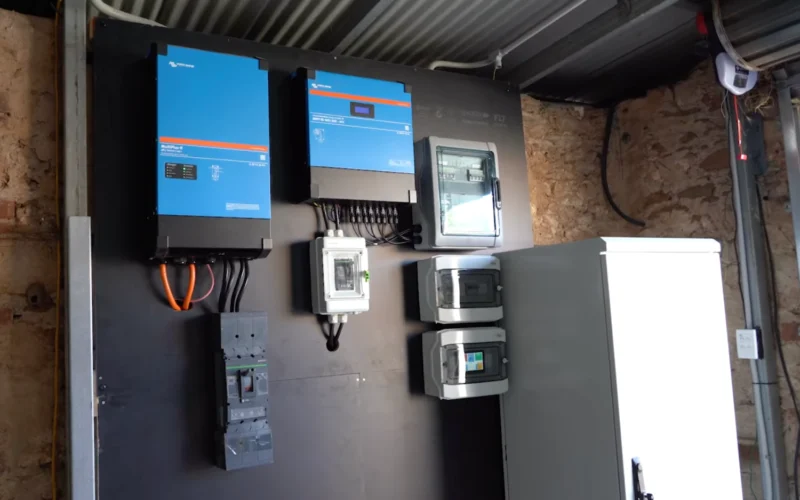
How the Cheaper Home Batteries Program Benefits Adelaide Homes
Solar panels have already changed the way Adelaide households think about power.
Read the post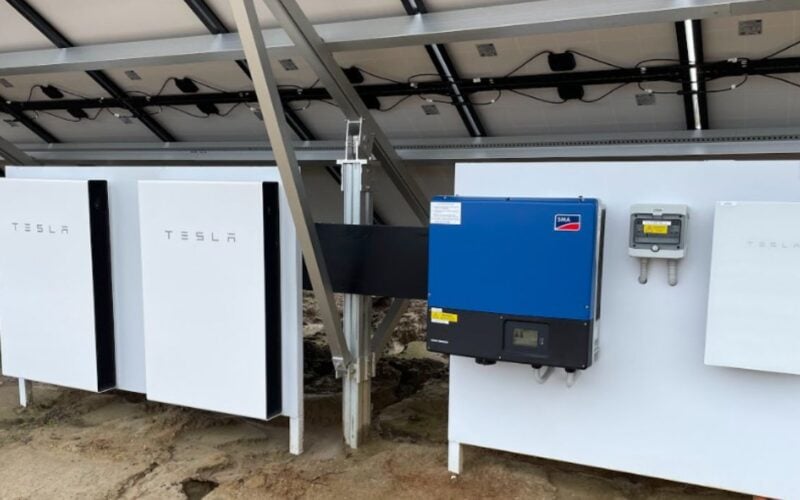
Top 7 Benefits of the 2025 Solar Battery Rebate for Adelaide Properties
If you’re a homeowner in Adelaide, then the solar battery rebate in SA might be the thing that finally makes battery storage worth considering.
Read the post
Ready to start?
Book a free 60-minute on-site assessment with one of our licensed electricians.
Free 60-minute on-site solar and battery assessment. No obligation.

$0 power bill guarantee
Arrange your free 60 minute on-site Solar & Battery Assessment in 30 seconds!
Which state is your home in?
Do you own your home?
Unfortunately, we only work with homeowners
If you are considering solar for a new home, or on behalf of someone else, select "I own my home"
We only work with homeowners
A solar or battery system is a permanent change to the property, so it needs to be arranged by the person who owns the home.
If you tapped that by mistake, head back and we'll pick up where you left off.
What are you looking for?
Our team can talk you through all options if you're not sure.
What appeals to you most?
You'll get all of these. We'd just like to know what matters most.
How much is your quarterly electricity bill?
The average Adelaide home spends $500 - $1000 per quarter. Not sure of yours? Take your best guess, we'll go through the real numbers at your assessment.
Whatever it is today, our goal is $0. If we don't get you there, we'll pay your bill.
How soon are you looking to get a system installed?
We can work with you on a longer timeline, or get you saving as soon as possible.
What is your address?
We have hundreds of happy customers across South Australia. We need your address to check we service your area and to look at your roof before we visit.
Great news, we service your area!
Anything else to share?
Every system we design is tailored to the home, so the more info the better! (Optional)
How should we get in touch with you?
Last step. We'll call to arrange your free on-site assessment at a time that suits you. No pressure and no obligation.
Request sent, we'll be in touch!
Do you want to skip the queue?
Call to speak directly with a solar specialist during business hours, and we can get your free on-site assessment booked in straight away.
📞What happens next?
- 1We'll give you a call
If you haven't called already, we'll give you a call to say hello.
- 2Discuss your needs and goals
We'll chat about what you're looking for, how we can help, and book in a time for your on-site assessment that suits you.
- 3Your free on-site assessment
We visit your home for 45 to 60 minutes to measure up the roof, check the switchboard and review how you use power.
- 4We send your detailed quote
A tailored proposal with the system design, the savings and the pricing laid out in full.
- 5We design and install
If you're happy with the proposal, our in-house team installs it and shows you how it all works.
 4.9Google · 530+ reviews
 4.8SolarQuotes reviews